 how-to
Are Plastic Pots Safe for Growing Herbs?
Quick Summary
Most rigid plastic pots sold for garden use are made from polypropylene or polyethylene, which are common, stable plastics. Look for a clear resin code, such as 2 or 5, and a brand you can look up before buying non toxic plastic pots for herbs.
- Recycling codes 2 (HDPE) and 5 (PP) are the two resins the article calls a reasonable default for edibles.
- Avoid code 3 (PVC), code 6 (PS) and unmarked pots for anything you plan to eat.
- Plastic can leach small amounts of chemicals over time, especially when heated by sun.
- Inspect herb pots annually and retire any that crumble or powder under light pressure.
Table of Contents
- Why Plastic Pots Need Extra Scrutiny for Edible Plants
- Understanding Plastic Recycling Codes and Which Are Safest
- Step 1: Check the Resin Code and Food-Safe Labeling
- Step 2: Confirm Drainage, Size and Substrate Fit
- Step 3: Compare Plastic With Terra Cotta, Ceramic and Wood
- Benefits of American-Made Plastic Pots for Herb Growers
- Starting Your Herb Container Garden With Confidence
- Choosing Your First Set of Herb Pots
- Frequently Asked Questions
Are Plastic Pots Safe for Growing Herbs?
Last Updated: October 29, 2026
Why Plastic Pots Need Extra Scrutiny for Edible Plants
Choosing non toxic plastic pots for herbs is a question many home gardeners never think to ask. Beloit Plastics LLC offers planters and saucers made in the United States. A pot that looks fine can still raise concerns when the plant ends up on your plate.
Plastic is not automatically unsafe. Still, herbs are eaten fresh, and the soil and water inside a container move through the plant's roots. That makes the material and its labeling worth a closer look.
The short answer: most rigid plastic pots sold for garden use are made from polypropylene or polyethylene, which are common, stable plastics.
Plastic containers can leach small amounts of chemicals over time, especially when exposed to heat and sun. U.S. Food and Drug Administration guidance on food contact substances explains how food-contact materials are regulated, which is a useful starting point when you read a pot's label.
Keep three points in mind as you shop:
- Look for a clear material name on the pot or its packaging
- Avoid pots with no markings or vague claims like "eco-friendly" alone
- Check that drainage holes and saucers fit your plant's needs
Understanding Plastic Recycling Codes and Which Are Safest
- Code 1, PET (polyethylene terephthalate): Clear, rigid, common in bottles and clamshells. Rarely used for durable garden pots because it becomes brittle under UV. Fine as a short-season seedling tray; not a long-term herb container.
- Code 2, HDPE (high-density polyethylene): Opaque or translucent, tough, UV-stabilized grades are common in nursery pots and saucers. One of the two resins most practitioners consider a reasonable default for edibles.
- Code 3, PVC (polyvinyl chloride): Contains plasticizers (phthalates) in flexible grades and can contain heavy-metal stabilizers in older or imported stock. Avoid for anything edible.
- Code 4, LDPE (low-density polyethylene): Soft, flexible, think squeeze bottles and poly bags. Occasionally found in thin liners. Low risk as a resin, but rarely rigid enough for a pot.
- Code 5, PP (polypropylene): Rigid, heat-tolerant, widely used for planters, saucers, and food-storage containers. The other resin most practitioners consider a reasonable default for edibles.
- Code 6, PS (polystyrene): Foam and rigid forms. Can release styrene monomer, especially when heated. Avoid for edibles.
- Code 7, Other: A catch-all that includes polycarbonate (which may contain BPA), acrylic, and mixed or unknown resins. Treat code 7 as a yellow flag unless the manufacturer names the specific resin.
The Safe-to-Use Checklist for Edible Herbs
- [ ]
- [ ]
- [ ]
- [ ]
- [ ]
- [ ]
Why Recycled Content Complicates the Code
U.S. Food and Drug Administration guidance on food contact substances explains how food-contact materials are regulated, useful context for reading any "food-safe" claim on a pot label.
The Degradation Angle Most Guides Skip
Recycling codes tell you what the pot is made of on day one. They say nothing about what happens after three summers on a sunny patio. UV exposure and acidic soil and fertilizer solutions gradually embrittle and micro-crack polypropylene and polyethylene, and those cracks expose fresh polymer surface and any additives compounded into it. A code-5 pot that is sound in year one can be chalky and shedding surface material by year four. Inspect herb pots annually: if the rim crumbles under a thumbnail or the surface powders off, retire the pot from edible duty. That single habit does more for food safety than any label claim.
Step 1: Check the Resin Code and Food-Safe Labeling
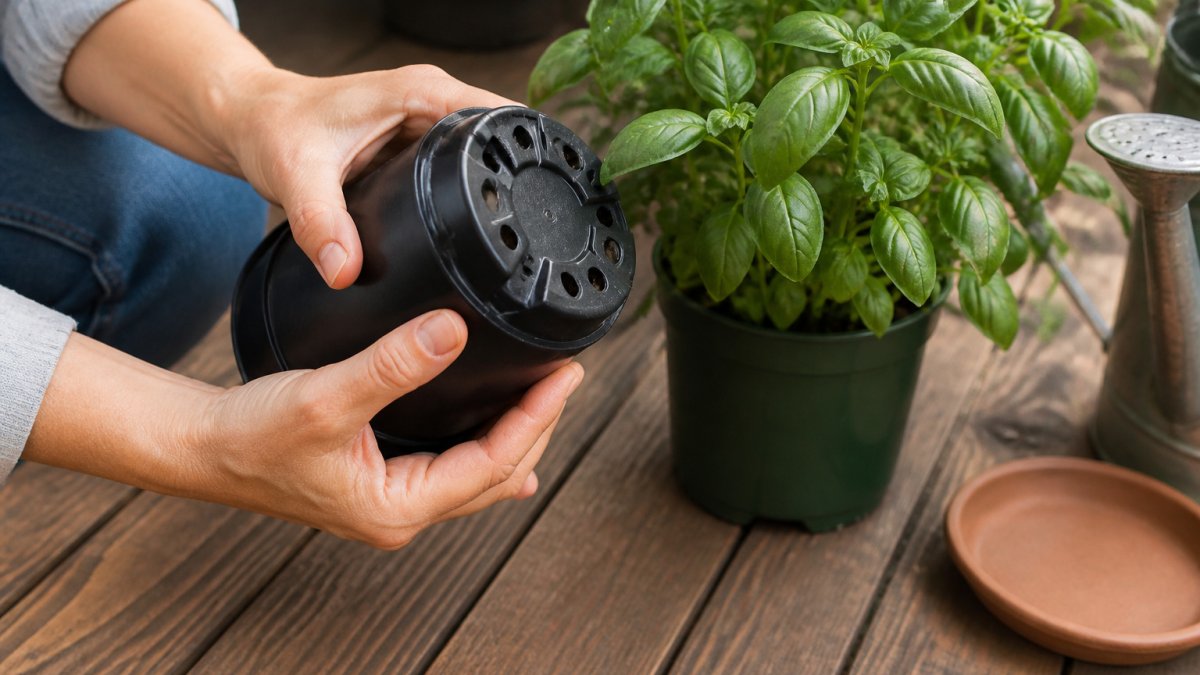
What to look for:
- A clear resin code such as 2 or 5
- A manufacturer or brand name you can look up
- Any food-contact or "food-safe" statement with specifics
- Avoid pots with no markings at all
Step 2: Confirm Drainage, Size and Substrate Fit
Good drainage matters as much as material. Browse the Austin Planter black polypropylene saucers that catch runoff under your herb pots.
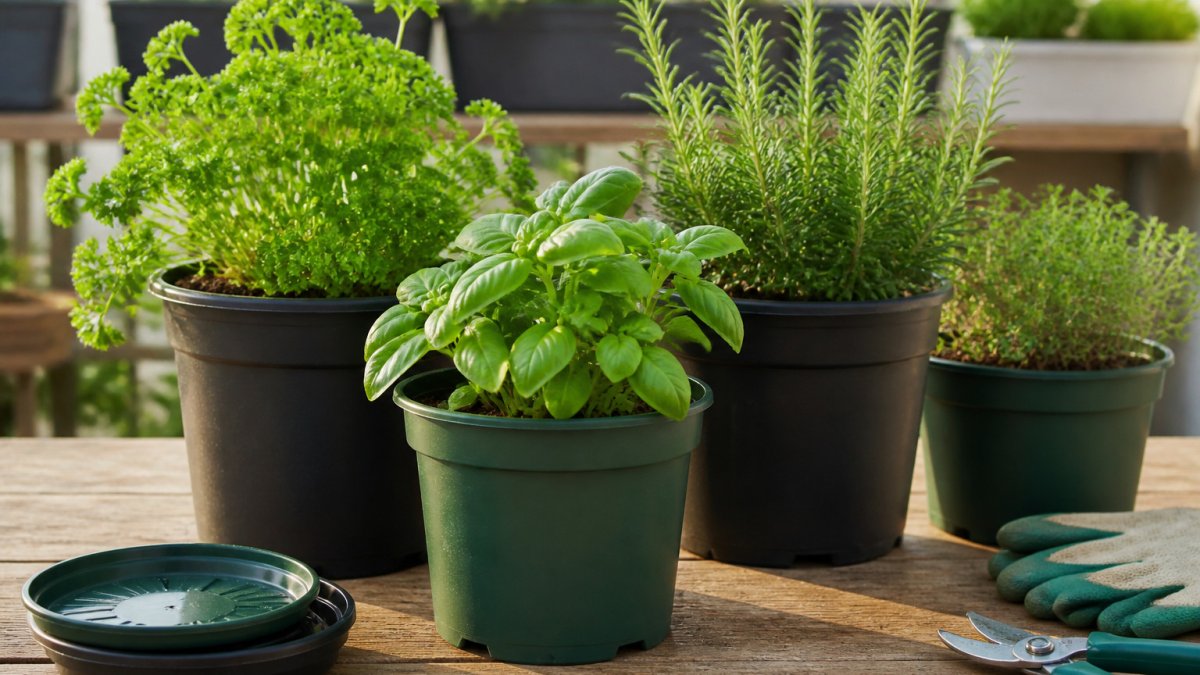
The Austin Planter 4 inch Flower Pots with Saucers from Beloit Plastics LLC include drainage holes and saucers that help collect excess water and protect surfaces.
Austin Planter 4 inch Flower Pots with Saucers - White Granite (5 Pack) fit small herbs like thyme and parsley, and they come in a five-pack at $16.45.

Step 3: Compare Plastic With Terra Cotta, Ceramic and Wood
Material choice drives three things that matter more to herb health than the pot's color: how fast the root zone dries, how much the roots are stressed, and what the plant can take up through those roots. Here is how the four common materials actually behave.
Austin Planter 4 inch Flower Pots with Saucers -White Granite( 5 Pack) →
Plastic (PP and HDPE)
- Moisture behavior: Nearly non-porous. Water leaves almost entirely through the drainage holes and the soil surface, so a plastic pot holds moisture longer than any other common material.
- Root-zone effect: Steady moisture suits basil, mint, chives, and parsley. It is a poor match for rosemary, thyme, oregano, and lavender, which want to dry between waterings and are prone to root rot in constantly damp media.
- Heat: Dark plastic in full afternoon sun can push root-zone temperatures well above ambient, and heat is the main accelerant for chemical migration from any plastic.
- Trade-off: Light, cheap, durable, and easy to move, but it gives you the least margin for overwatering.
Terra Cotta (Unglazed Clay)
- Moisture behavior: Porous. Water evaporates through the walls as well as the soil surface, so the root ball dries faster and more evenly.
- Root-zone effect: The drying cycle is exactly what Mediterranean herbs want. Rosemary and thyme thrive; basil and mint need more frequent watering.
- Caveat: Cheap terra cotta can carry soluble salts that leach into the soil over time. Soak new pots in clean water for a day and scrub off any white bloom before planting edibles.
Ceramic (Glazed)
- Moisture behavior: Behaves like plastic when fully glazed, like terra cotta when unglazed inside.
- The real risk: Glaze chemistry. Older or imported glazes have historically contained lead and cadmium, and a glaze that is decorative rather than food-grade is not formulated for a root zone you will eat from. Ask the maker whether the interior glaze is food-safe; if the answer is vague, use the pot for ornamentals only.
- Trade-off: Heavy, expensive, and prone to chipping, but the most decorative option.
Wood
- Moisture behavior: Porous and breathable, similar to terra cotta, but wood itself absorbs water and breaks down.
- The real risk: Preservative treatments. Pressure-treated lumber and older stains can contain copper compounds or other preservatives that migrate into soil. Use untreated, rot-resistant species, cedar and cypress are the common choices, and line the interior if you are unsure of the finish.
- Trade-off: Attractive and insulating, but a three-to-five-year lifespan in wet conditions versus a decade or more for quality plastic.
The Root-Stress Connection Most Guides Miss
University extension guide on container gardening materials offers state-by-state horticulture guidance on container materials and media.
Are American Made Planters Better? A Practical Guide covers how these materials compare for everyday use.
Each material handles moisture and root stress differently, so the right pot depends on the herb.
| Material | Moisture behavior | Best-suited herbs |
|---|---|---|
| Plastic | Nearly non-porous; holds moisture longer | Basil, mint, chives, parsley |
| Terra cotta | Porous; root ball dries faster and more evenly | Rosemary, thyme |
| Ceramic (glazed) | Acts like plastic when fully glazed | Ornamental use unless glaze is food-safe |
| Wood | Porous; absorbs water and breaks down | Untreated cedar or cypress |
Benefits of American-Made Plastic Pots for Herb Growers
- Clearer material information on the label
- Shorter supply chains you can ask questions about
- Products built to hold up to seasonal weather
Starting Your Herb Container Garden With Confidence
Austin Planter Plastic Flower Pots with Saucers, 4 inch, Lime Green, 5 Pack offers a bright set of five pots with saucers at $19.99.
Choosing Your First Set of Herb Pots
Here is a quick checklist before you buy:
- [ ]
- Drainage holes present
- Matching saucer or drip tray
- [ ]
Frequently Asked Questions
Are plastic pots safe for growing herbs?
Which recycling code is safest for plant pots?
Do plastic pots leach chemicals into soil?
Frequently Asked Questions
Are plastic pots safe for growing herbs?
Many plastic pots are suitable for herbs, but safety depends on the resin and any additives used to make the pot. Look for pots labeled food-safe or made from polypropylene (code 5) or high-density polyethylene (code 2), which are commonly used in food packaging and are generally considered stable at typical outdoor temperatures. Avoid pots with unknown origins, heavily recycled mixed plastics, or strong odors, since these can release compounds into soil over time. Pairing a safe pot with a quality potting mix and regular watering keeps the root zone healthy.
How do I know if a plastic pot is food-safe?
Beloit Plastics LLC's Austin Planter pots are made from 95% recycled polypropylene and are made in the United States.
What plastic resin codes are safest for edible plants?
Resin codes 2 (HDPE), 4 (LDPE) and 5 (polypropylene) are the plastics most often used in food-contact products, which makes them the usual choice for herb containers. Codes 3 (PVC) and 6 (polystyrene) are generally avoided for edibles because of concerns about additives and leaching. Recycling codes indicate the resin, not whether a finished pot has been tested for food contact, so pair the code with a clear manufacturer statement before growing herbs you plan to eat.
What are the best plant pots for herbs?
Beloit Plastics LLC's Austin Planter 4-inch pots with saucers are made from 95% recycled polypropylene, have drainage holes, and are easy to clean.