 how-to
How to Prevent Planter Cracking: A 2026 Guide
Table of Contents
- Why Planters Crack in Winter
- Best Planters for Outdoor Use: Choosing Frost-Resistant Materials
- How to Winterize Outdoor Pots: A Step-by-Step Guide
- Drainage Tips for Outdoor Containers That Prevent Cracks
- Proper Storage and Stacking Methods for Ceramic Planters
- Repairing Hairline Cracks and Material-Specific Maintenance
- Climate-Zone Specific Advice and Visual Inspection Checklist
- Conclusion
- Frequently Asked Questions
Last Updated: September 10, 2026
Why Planters Crack in Winter
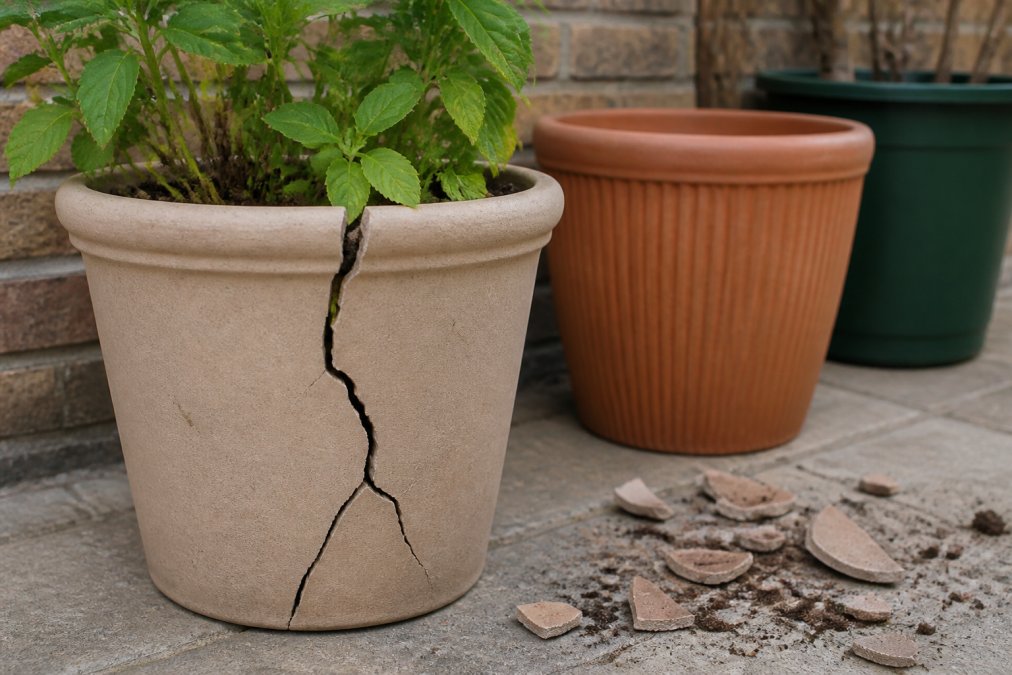
Water is the enemy of every outdoor container, and planter cracking almost always traces back to it. When moisture saturates porous material and temperatures drop below freezing, that water expands with enough force to split clay, ceramic, and even concrete. This guide from Beloit Plastics LLC explains how to prevent planter cracking before the first hard freeze.
The process is straightforward physics: water seeps into tiny pores in the container wall, freezes, expands, thaws, and contracts. Repeat that cycle through a single winter, and the material eventually loses.
The Freeze-Thaw Cycle Explained
The freeze-thaw cycle is the repeated process of water entering a container's pores, freezing and expanding, then thawing and contracting as temperatures fluctuate. Each cycle widens existing micro-cracks slightly. The National Weather Service freeze warning guidance notes that freeze warnings trigger when temperatures are expected to reach 32°F or below, and those overnight swings are exactly what damages planters.
How Material Porosity Affects Cracking
Porosity determines how much water a material absorbs and how vulnerable it is to winter damage. Unglazed terracotta is highly porous, glazed ceramic and quality plastic far less so, and concrete sits in the middle, where its curing process affects how well it resists moisture expansion.
Best Planters for Outdoor Use: Choosing Frost-Resistant Materials
The best planters for outdoor use absorb little water and tolerate temperature extremes without warping or splitting. Frost-resistant options include glazed ceramic, cured concrete, and thick polypropylene; unglazed terracotta is the most crack-prone choice for cold climates.
Here's how the four common materials compare:
| Material | Frost Resistance | Porosity | Best For |
|---|---|---|---|
| Terracotta (unglazed) | Low | High | Sheltered porches, indoor use |
| Glazed ceramic | Moderate | Low | Patios with mild winters |
| Concrete (cured) | High | Moderate | Permanent outdoor placement |
| Polypropylene | High | None | Year-round outdoor use |
Terracotta vs. Glazed Ceramic vs. Concrete vs. Plastic
Terracotta wicks and holds water, which is why so many terracotta pots split after one cold season. Glazed ceramic blocks most moisture, but a single chip exposes the porous body underneath. Concrete survives freezing once fully cured, though it's heavy and can develop hairline cracks over years.
Plastic sits in a different category. High-quality polypropylene is non-porous, so there's no water to freeze inside the wall, and it flexes instead of fracturing under temperature extremes. That's the practical reason a well-made plastic planter outlasts a decorative ceramic one in a cold climate.
How to Winterize Outdoor Pots: A Step-by-Step Guide
To winterize outdoor pots, clean them, ensure drainage works, insulate the root zone, and reduce watering as growth slows. It takes about 30 minutes per container.
- Empty and scrub. Remove spent plants and soil, then wash the pot with warm water to clear salt and mineral buildup.
- Check drainage holes. Clear any blocked openings so water can escape rather than pool.
- Add pot feet. Raise containers off the ground to prevent water drainage issues and freezing to the surface.
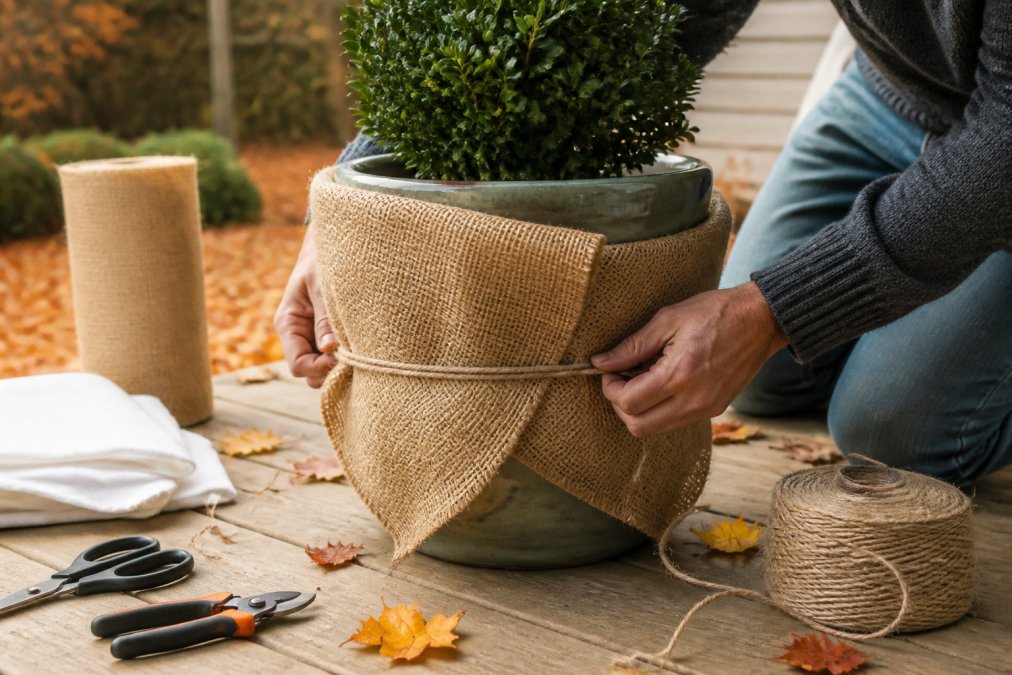
- Wrap the container. Insulate the sides with burlap, bubble wrap, or frost cloth.
- Mulch the top. A layer of mulch slows moisture retention loss and buffers root temperature.
- Reduce watering. Cut back as growth slows; soggy soil is the biggest winter risk.
Insulation Techniques Using Burlap, Bubble Wrap, and Frost Cloth
Burlap breathes, making it the best choice for wrapping container sides without trapping condensation. Bubble wrap adds trapped air for colder zones, and frost cloth drapes over the plant and secures at the base. Layer them for the coldest nights, and remove wraps during warm spells so the pot isn't sitting in trapped moisture.
Drainage Tips for Outdoor Containers That Prevent Cracks
Effective drainage is the single most important factor in preventing planter cracking, because trapped water is what freezes and expands. Clear drainage holes and airflow underneath let a container shed excess water instead of holding it against the walls.
Why Drainage Holes and Pot Feet Matter
Drainage holes let excess water escape the root zone, and pot feet lift the base so air circulates and water can't pool underneath. Without both, water sits against the bottom and hydrostatic pressure builds as it freezes, pushing outward on the walls, which is how a pot that looked fine in October splits by January.
Proper Storage and Stacking Methods for Ceramic Planters
Storing ceramic planters correctly means keeping them dry, off the ground, and unstacked wherever possible. Empty containers should be cleaned, fully dried, and stored in a frost-free spot like a garage or shed. If you must stack them, place a cloth or foam pad between each pot to cushion contact points.
Why Ceramic Fails Under Stacking Loads
Ceramic is strong in compression but weak against point loads and tension. When one pot's rim presses into another's concave base, the tiny contact area concentrates stress that can chip the rim or star-crack the base, damage that often shows up months later and gets misattributed to winter freezing. Keep stacks to two or three pots, never stack a heavy pot on a lighter one, and remember a 14-inch terracotta pot can weigh 15-20 pounds empty, transferring that load through the rim beneath it.
Drying Before Storage Is Non-Negotiable
A pot stored with damp walls will grow mold, efflorescence (the white mineral bloom on terracotta and concrete), and can still freeze and spall in an unheated garage. Air-dry pots indoors for several days after washing, then store them upside down so residual moisture drains out rather than pooling in the base. Never seal a damp pot in a plastic bag; trapped moisture is the same enemy you spent the fall fighting.
Storage Conditions by Material
- Unglazed terracotta: Store indoors, fully dry, unstacked. It's the most moisture-sensitive common material and will spall in an unheated shed that dips below freezing.
- Glazed ceramic: Indoor storage preferred, but a covered, frost-free porch works if the glaze is intact. Inspect for chips first, a single chip exposes the porous body and becomes a freeze-thaw entry point.
- Concrete: The most forgiving in storage. Cured concrete can stay outdoors through winter, but bring it in if the pot is less than 28 days old, since uncured concrete is still losing moisture and vulnerable to freeze damage.
- Polypropylene: No storage required. Non-porous plastic has no water to freeze inside the wall, so it stays in place year-round, the practical reason a well-made plastic planter sidesteps the entire storage problem.
Stacking Alternatives That Protect the Rim
If floor space is tight, use these instead of direct stacking:
- Pot feet between stacked pots. Rubber or foam pot feet create a gap that distributes load across the base rather than the rim.
- Cardboard or foam separators. A 1/4-inch foam pad or a piece of corrugated cardboard between each pot cushions contact points.
- Vertical shelving. A simple utility shelf in a garage holds more pots than a floor stack and eliminates rim-to-base contact entirely.
- Nest only same-size pots. Nesting smaller pots inside larger ones is safer than stacking, provided both are dry and the inner pot does not wedge against the outer wall.
For any containers staying outdoors, a durable polypropylene option sidesteps the storage problem entirely, since it can stay in place year-round without drying, stacking, or insulation.

Repairing Hairline Cracks and Material-Specific Maintenance
Hairline cracks can often be stabilized if you catch them early, but the repair depends on the material. Unglazed terracotta takes a waterproof sealant on the crack; glazed ceramic takes a food-safe epoxy, though the pot should move indoors afterward; concrete is the most forgiving, with a patching compound handling most surface fissures.
Material-specific maintenance matters more than most guides admit. Terracotta must dry fully between waterings to limit moisture retention in the walls; glazed ceramic needs its glaze checked each fall for chips; concrete benefits from a sealant every few years to slow porosity-driven absorption; plastic needs almost nothing beyond a wipe-down, which is a big part of why it holds up season after season.
Climate-Zone Specific Advice and Visual Inspection Checklist
Winterization looks different depending on where you garden. The USDA Plant Hardiness Zone Map is the standard reference for matching plants and containers to your local low temperatures. The zone number tells you the average annual extreme minimum temperature, which is the number that determines whether a pot can stay outdoors or must come in.
What Each Zone Band Means for Containers
- Zones 8-11 (mild winters, lows above 10°F): Drainage and pot feet are usually sufficient. Unglazed terracotta can often stay outdoors if it is kept dry and elevated. The main risk is a rare hard freeze, not a sustained one.
- Zones 6-7 (moderate winters, lows of -10°F to 10°F): Repeated freeze-thaw cycles are the norm. Insulate the sides of ceramic and terracotta pots with burlap or frost cloth, mulch the top, and reduce watering by late fall. Glazed ceramic can stay out if the glaze is intact.
- Zones 4-5 (cold winters, lows of -30°F to -10°F): Full insulation plus indoor or frost-free storage is the default for ceramic and terracotta. Concrete survives if fully cured. Polypropylene is the only common material that reliably stays outdoors without wrapping.
- Zones 1-3 (severe winters, lows below -30°F): Assume any porous container left outdoors will crack. Move ceramic and terracotta indoors, or switch to non-porous plastic for permanent outdoor placement.
Gardeners in Zones 6-7 often lose more pots than those in Zones 3-4, because repeated freeze-thaw cycling in moderate zones does more cumulative damage than a single deep freeze. That's why insulation and drainage matter more than raw cold tolerance in the middle bands.
Pre-Winter Visual Inspection Checklist
Run this inspection before every winter. It takes about 10 minutes per container and catches most problems before they become cracks.
- Check all drainage holes for blockages, a blocked hole is the single most common cause of winter cracking
- Look for hairline cracks along rims and bases; mark any you find with a pencil so you can track whether they grow
- Test whether the pot lifts easily, a stuck pot may be frozen to the surface or rooted in by ice
- Confirm pot feet are in place and intact
- Inspect glaze for chips or bare spots; seal any chip with a waterproof sealant before the first freeze
- Verify soil isn't waterlogged before the first freeze; if it is, stop watering for at least a week
- Confirm wraps are secured but not airtight, trapped condensation is worse than cold
- Check that the pot is not sitting in a low spot where meltwater pools
Zone-Specific Adjustments to the Standard Routine
In mild zones, skip the full wrap and focus on drainage and elevation. In moderate zones, wrap the sides but leave the top open for airflow. In cold zones, wrap the sides, mulch the top, and move the pot against a south-facing wall, which can be several degrees warmer than an exposed corner. In severe zones, indoor storage is the only reliable prevention for porous materials.
For readers in the coldest zones, a non-porous container removes most of this checklist from the equation. Beloit Plastics LLC makes U.S.-made polypropylene planters and saucers that stay outdoors through every season, with drainage holes built in and saucers that protect decks from water stains.
Conclusion
Winter damage is preventable, but it requires matching your container material to your climate and staying ahead of the freeze-thaw cycle. Beloit Plastics LLC builds durable, American-made planters and saucers designed to handle all four seasons without the cracking, sealing, and storage work ceramic and terracotta demand. Explore the Austin Planter collection for drainage-ready pots built for year-round outdoor use.

Frequently Asked Questions
How can I prevent terracotta pots from cracking?
Terracotta is porous, so it absorbs water that expands when temperatures drop below freezing. To prevent planter cracking, empty terracotta pots before the first frost, scrub them clean, and store them indoors in a dry spot. If a pot must stay outside, seal it with a water-repellent sealer and wrap it in burlap for insulation. Never let water sit in the saucer during winter.
At what temperature does terracotta crack?
Terracotta typically cracks when temperatures drop below 32°F and trapped moisture inside the clay expands during the freeze-thaw cycle. The risk increases with repeated cycles rather than a single cold night. In regions where winter temperatures stay below freezing for weeks, unsealed terracotta left outdoors almost always develops hairline cracks or full fractures by spring.
Do plastic planters crack in freezing temperatures?
Plastic planters generally resist freeze-thaw damage better than terracotta or ceramic because the material flexes instead of fracturing. High-quality polypropylene, like the material used in Beloit Plastics planters, handles temperature extremes without becoming brittle. However, thin or low-grade plastic can still crack after years of UV exposure, so thick-walled, UV-stabilized pots are the safer choice for cold climates.
How do I winterize ceramic pots to prevent breakage?
Start by removing soil and plants, then scrub the pot and let it dry completely. Move glazed ceramic pots indoors or into a garage if possible. If they stay outside, elevate them on pot feet so they never sit in standing water, wrap them in bubble wrap or frost cloth, and top with a breathable cover. This approach to how to winterize outdoor pots protects against the freeze-thaw cycle and moisture expansion.
Preventing planter cracking comes down to one principle: keep water out of the material and give it somewhere to go when it gets in. Beloit Plastics LLC offers U.S.-made planters with built-in drainage holes, protective saucers, and durable polypropylene construction that holds up through freeze-thaw cycles. Get started with Beloit Plastics LLC and give your patio containers a season-proof foundation.