 how-to
How to Prevent Mold Under Garden Pots Before It Starts
Quick Summary
To prevent mold under garden pots, keep the base dry and airy: use a raised saucer that lets air circulate, empty runoff within 15 to 30 minutes after watering, and check soil moisture by pushing a finger two inches into the mix before watering again. Mold forms when moisture stays trapped and air cannot reach the bottom of the pot.
- Choose a saucer with raised ribs or feet that lifts the pot off the surface.
- Size the saucer about 2 inches wider than the pot's base diameter.
- Empty saucers within 15 to 30 minutes after watering.
- Check soil two inches deep with a finger and wait if it still feels damp.
- Clean pots and saucers monthly outdoors, and let them dry completely before reuse.
Table of Contents
- Why Mold Forms Under Garden Pots
- How to Tell Mold From Mineral Deposits
- Step 1: Choose a Saucer That Lifts the Pot and Drains Well
- Step 2: Set Up Physical Barriers and Airflow Under the Pot
- Step 3: Manage Soil Moisture and Drainage
- Step 4: Clean and Sanitize Pots and Saucers on a Schedule
- How to Get Rid of Mold on Plant Soil Naturally and Stay Safe
- Is Mold in Plant Soil Harmful to Humans?
- Frequently Asked Questions
Why Mold Forms Under Garden Pots
Last Updated: November 9, 2026
Mold under a garden pot usually means the soil and the saucer below it stay wet for too long, with too little air moving underneath, so learning how to prevent mold under garden pots starts with fixing that moisture problem. Keeping that base dry is the fastest way to stop mold before it starts. This guide shows how to prevent mold under garden pots with a few simple habits and the right saucer.
The good news is that mold rarely appears overnight. It builds up slowly when moisture gets trapped and nothing dries it out. Once you understand what drives it, prevention becomes much easier.
Trapped Moisture and Poor Airflow
Water that sits in a saucer or pressed against the bottom of a pot is the main cause. Mold spores are everywhere, but they need damp, still conditions to take hold. A flat saucer that holds a shallow puddle gives them exactly that.
Airflow matters just as much. When air cannot reach the bottom of the pot, moisture stays put for days. Shaded patios and covered balconies tend to see this problem most.
Overwatering and Soil Compaction
Overwatering is the most common mistake. Soil that stays soggy gives mold a steady food source and a damp home. Over time, compacted soil also drains poorly, so water pools at the base.
A common mistake is watering on a fixed schedule instead of checking the soil first. Push a finger two inches into the mix. If it feels damp, wait before watering again.
How to Tell Mold From Mineral Deposits
Mold and mineral deposits can look alike, but they behave differently. Mold is fuzzy or powdery and often appears white, gray, green, or black. It may have a musty smell and can spread across the surface of the pot or saucer.
Mineral deposits, often called salt crust, look white and crusty. They usually sit in a thin, hard layer and do not smell. Brushing them off reveals a clean surface underneath.
- Mold: fuzzy, powdery, musty smell, spreads over time
- Mineral deposits: hard, crusty, odorless, stays in place
- Quick test: scrape a small spot with a plastic spoon. Mold smears or lifts. Mineral crust chips away cleanly.
Step 1: Choose a Saucer That Lifts the Pot and Drains Well
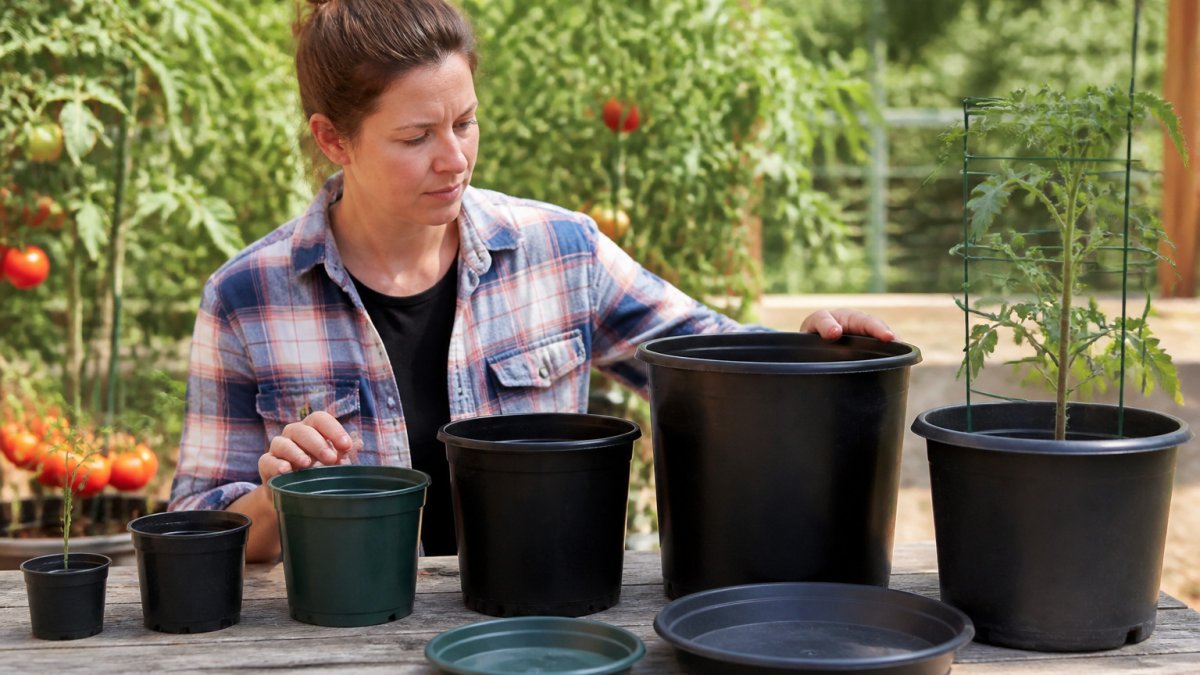
Start with the saucer. A saucer that lifts the pot off the surface lets air move underneath and keeps water from sitting against the base. Beloit Plastics LLC makes heavy-duty polypropylene saucers in several sizes, including a 3 inch Heavy duty polypropylene Saucer and a 6 inch Heavy duty polypropylene saucer, so you can match the saucer to your pot.

The Austin Planter Saucer is designed with a ribbed underside, which keeps the saucer slightly raised off the floor. Its flat inner surface lets the pot sit evenly, and its large sides give excess water room to drain away from the pot. For a broader look at options, read our Sturdy Garden Saucers for Pots: 2026 Buyer's Guide.

When sizing a saucer, measure the bottom diameter of your pot. A saucer about 2 inches wider than the pot base works well for most containers.
- Choose a saucer with raised ribs or feet
- Match the saucer to the pot's base diameter
- Pick a size that catches runoff without holding a deep pool
The table below summarises the three saucer sizing and drainage points covered in this step.
| Item | Guidance | Note |
|---|---|---|
| Saucer size | About 2 inches wider than pot base | Measure the bottom diameter of your pot |
| Saucer design | Raised ribs or feet | Keeps the saucer lifted off the surface |
| Saucer depth | Catches runoff without a deep pool | Avoid holding standing water |
| Saucer material | Heavy-duty polypropylene | Beloit Plastics LLC makes several sizes |
Step 2: Set Up Physical Barriers and Airflow Under the Pot
Once the saucer is chosen, create space underneath the pot. Setting the saucer on small risers or pot feet lets air circulate around the base. This is one of the most effective preventive steps you can take.
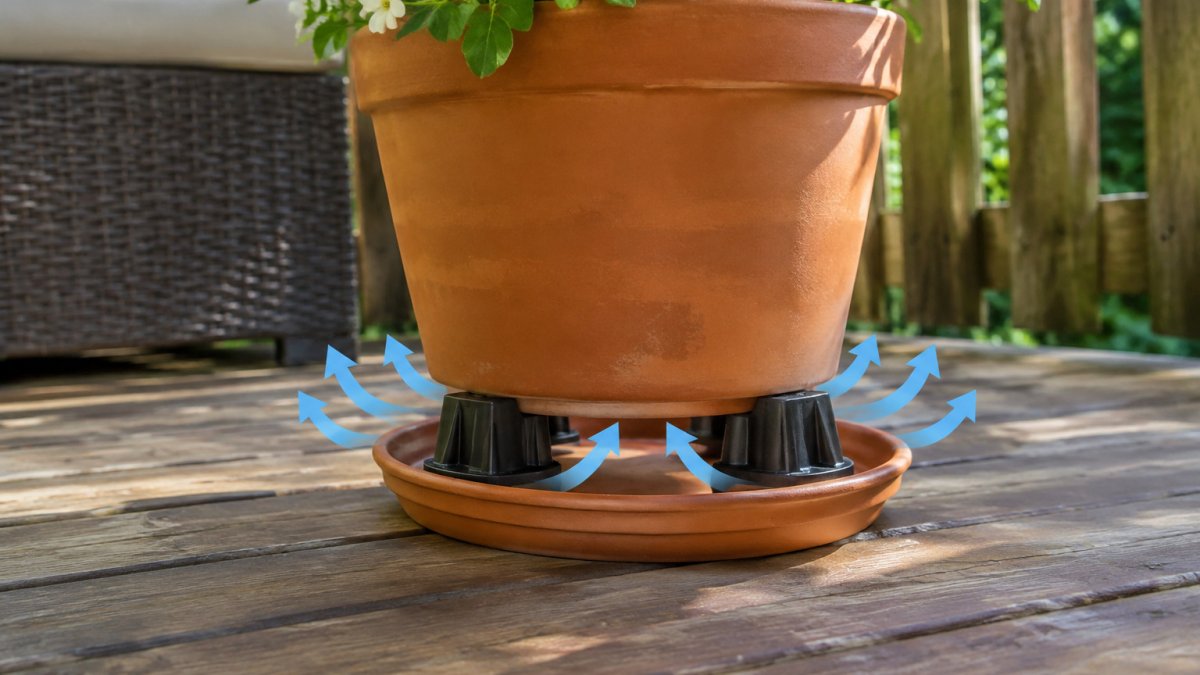
Good airflow dries the bottom of the pot faster after watering. On decks and patios, lift the saucer so water never sits directly on the wood.
Consider these simple barriers:
- Plastic pot feet or risers under each saucer
- A gap of at least half an inch between the pot and any solid surface
- Avoid stacking pots directly on top of each other
Keep saucers clear of leaves and debris. Anything that traps water against the base invites mold.
Step 3: Manage Soil Moisture and Drainage
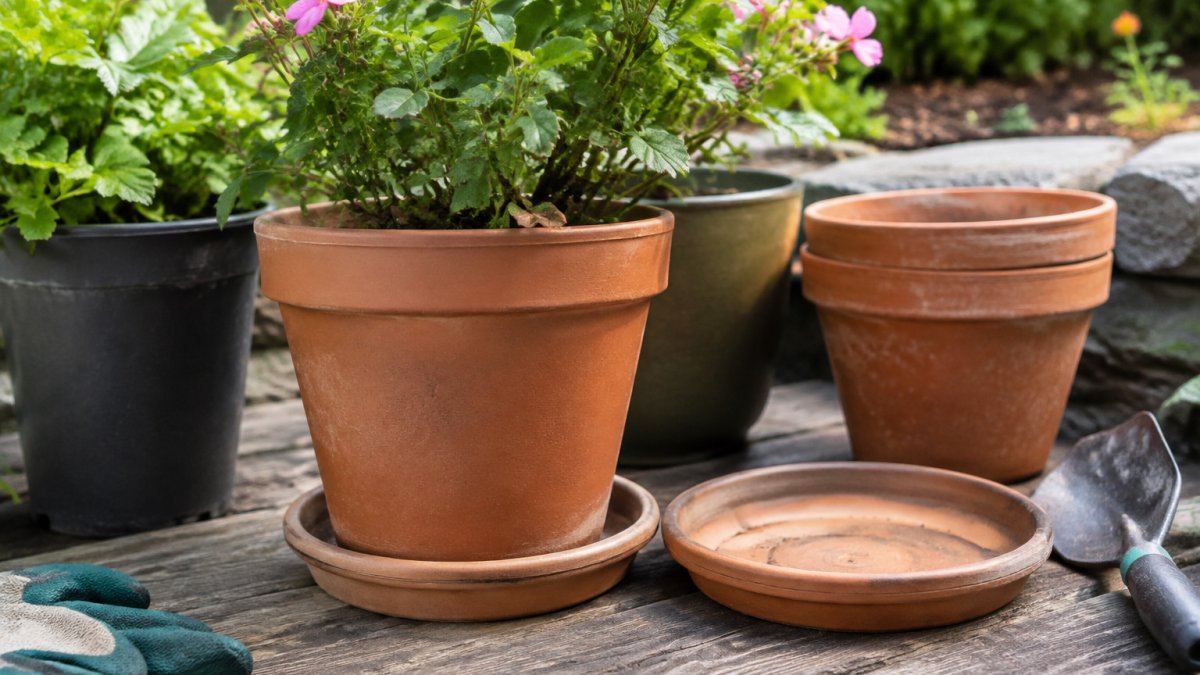
Good drainage keeps soil from turning into a wet sponge, but the type of pot you use changes how you should manage moisture. Terracotta is porous and wicks water through its walls, so soil dries faster and mold is less likely on the pot surface, but the saucer underneath still collects runoff. Fabric grow bags are the most breathable option; air moves through the sides, which dries the soil faster but also means you may need to water more often.
Make sure every pot has drainage holes, and never let it sit in standing water for more than a short time. Empty saucers within 15 to 30 minutes after watering. For plastic and glazed pots, tilt the pot slightly after watering to let excess water escape.
Use a well-draining potting mix. Heavy garden soil holds water and compacts easily. Adding perlite or coarse bark improves airflow through the root zone. For terracotta, a mix with more perlite helps offset the pot's natural moisture retention. For fabric bags, a mix with coco coir or peat holds enough moisture without staying soggy.
Check soil moisture before every watering. Push a finger two inches into the mix. If it feels damp, wait. Overwatering is far more common than underwatering in pots. Our 10 Best Drainage Tips for Container Plants covers more ways to keep container soil healthy.
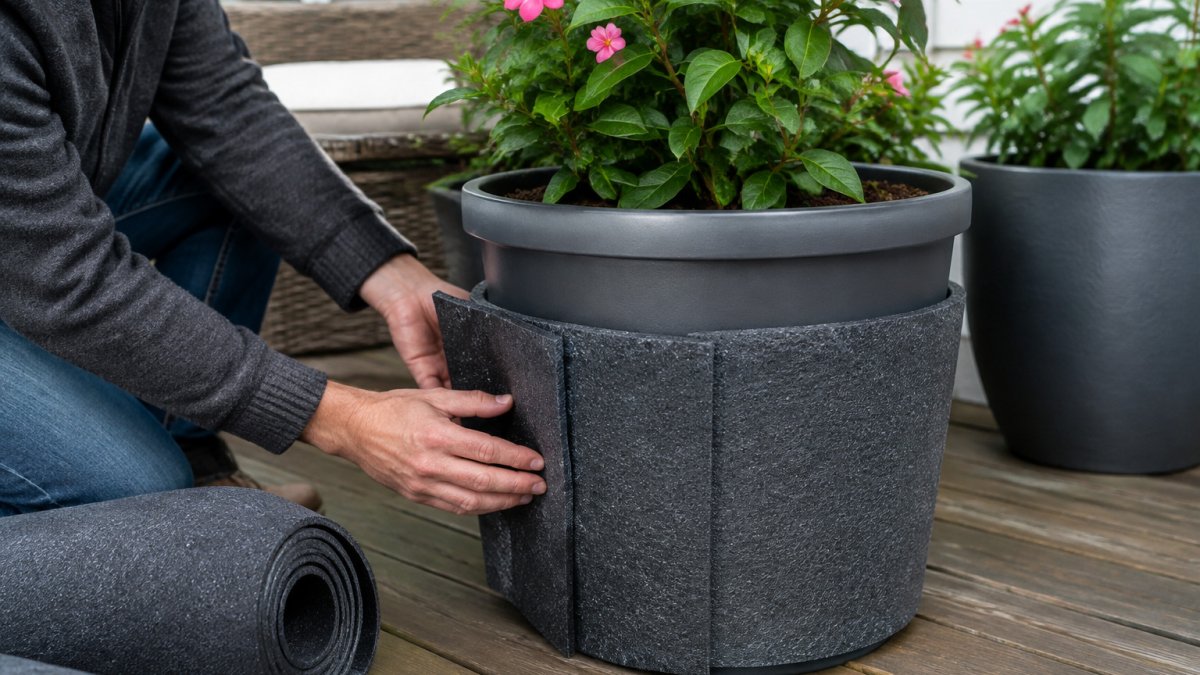
A preventative physical barrier can stop mold before it starts.
Aerating the soil with a chopstick or soil aerator tool once a month improves airflow in the root zone and helps the surface dry faster. Rotating pots to a sunnier spot every few weeks also helps, since ultraviolet light discourages mold growth on the soil surface.
Watch out: Never add gravel to the bottom of a pot as a drainage fix. It can raise the water level in the root zone and make the problem worse. The same applies to packing soil too tightly, compacted mix holds water at the base and creates the exact conditions mold needs.
Step 4: Clean and Sanitize Pots and Saucers on a Schedule
Cleaning removes the spores and residue that feed mold, but the method should match the pot material. Set a routine, such as once a month for outdoor pots and once every few weeks for indoor pots.
For plastic and polypropylene saucers, scrub with warm soapy water, then rinse well. A diluted solution of white vinegar (one part vinegar to three parts water) or hydrogen peroxide (3% household strength) can help with stubborn spots. Let surfaces dry completely before reusing them.
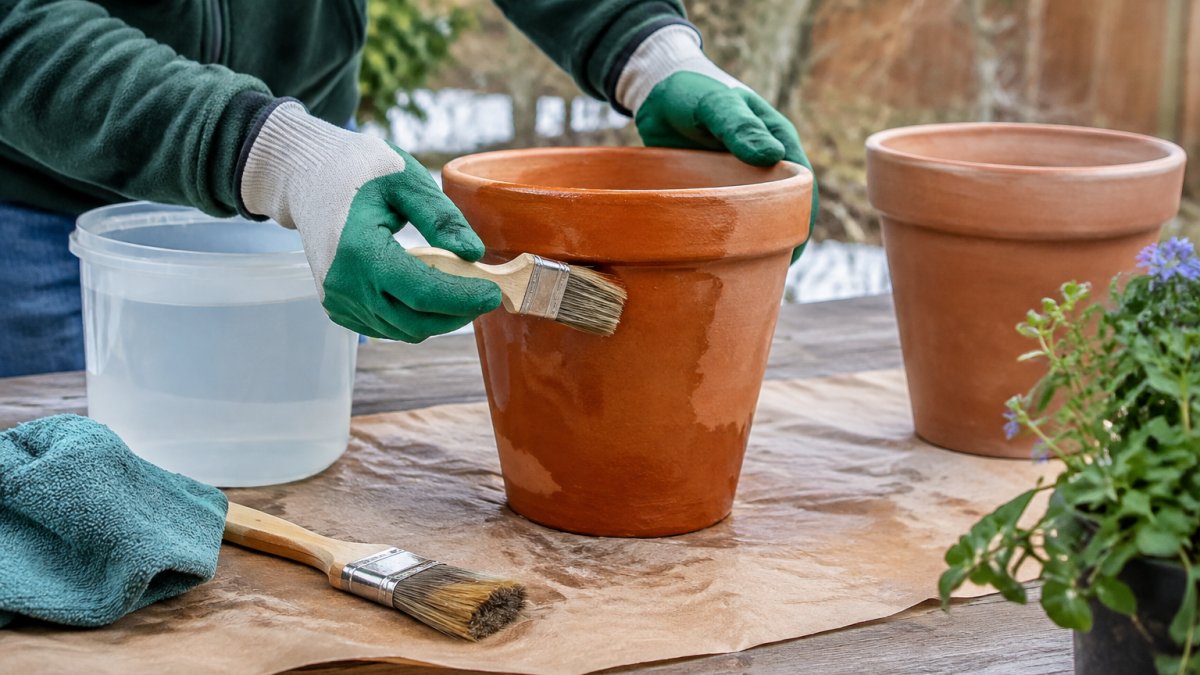
Terracotta is porous and absorbs moisture and spores into its walls. Scrub it thoroughly with a stiff brush and let it dry in the sun for a full day before repotting. Soaking terracotta in a diluted vinegar solution for 30 minutes once a season helps draw out absorbed salts and spores. Avoid soap on terracotta, since it can leave residue in the pores.
Fabric grow bags should be rinsed and dried between seasons. Most are machine-washable on a gentle cycle; check the manufacturer's tag. Dry them completely in the sun before storing or reusing, since damp fabric is a prime mold surface.
Glazed ceramic pots fall between plastic and terracotta: the glaze is non-porous, but chips and cracks expose the porous clay underneath. Inspect glazed pots for chips and scrub any exposed clay with a vinegar solution.
A preventative physical barrier reduces how often you need to deep-clean. Top-dressing the soil surface with coarse sand, gravel, or decorative stones keeps the surface dry and blocks spores from settling. This is especially useful for terracotta and fabric pots, where surface moisture is harder to control. Replace the top-dressing layer every few months or when it looks discolored.
Watch out: Do not skip drying. Reusing a saucer or pot while it is still damp reintroduces moisture and can undo the cleaning. Let every surface air-dry completely, ideally in direct sun, before putting it back under a plant.
How to Get Rid of Mold on Plant Soil Naturally and Stay Safe
If mold has already appeared on the soil surface, you can often manage it without harsh chemicals. Scrape off the top layer of soil, then replace it with fresh potting mix. Improve airflow and reduce watering until the surface dries.
Natural options include letting the soil dry out more between waterings and placing the pot in a sunny, ventilated spot.
Wear gloves when handling moldy soil, and wash your hands afterward. Work outdoors or in a well-ventilated area when possible.
Is Mold in Plant Soil Harmful to Humans?
Some people are more sensitive to mold, including those with asthma, allergies, or weakened immune systems.
Limit exposure by wearing a dust mask and gloves when disturbing moldy soil. Keep children and pets away from heavily affected pots until the problem is cleared. If symptoms persist, contact a healthcare provider.
Ready to stop mold before it starts? Explore Now with Beloit Plastics LLC and find a saucer built to keep your pots dry, lifted, and easy to maintain.
Frequently Asked Questions
Why does mold grow under garden pots?
Mold grows under garden pots because the space beneath them stays damp, shaded and poorly ventilated. Water that drains through the soil collects in saucers or sits against the surface below, and fungal spores settle on that moisture. Pots placed flat on decks, patios or soil with no gap rarely dry out. Lifting the pot slightly, emptying saucers after watering and checking the area weekly usually stops mold from taking hold.
What should I put under a garden pot to prevent mold?
Use pot feet, risers or a saucer designed to hold the pot a few millimeters off the surface so air can move underneath. Plastic saucers like the Austin Planter Saucer are made to protect decks and floors from water rings, and their ribbed underside keeps them slightly raised. Avoid placing pots directly on wet soil, leaves or damp mulch, since these trap moisture against the base of the container.
Can I use vinegar to remove mold under a plant pot?
A diluted white vinegar solution can clean light surface mold on pots, saucers and hard surfaces, but it is not a complete fix for mold in the soil itself. Scrub the affected area, rinse it and let it dry fully in sunlight. If mold keeps returning, the real problem is usually moisture, so improve drainage, airflow and watering habits before relying on any cleaning product.
Is mold under garden pots harmful to plants or people?
Mold spores can irritate the airways and eyes of sensitive people, especially those with allergies or asthma, so avoid disturbing heavy growth with bare hands or without a mask. Wear gloves, keep the area ventilated and wash your hands afterward. Persistent, widespread mold is a sign to address moisture right away.