 how-to
Easy to Clean and Maintain for Home Improvement
Last Updated: October 22, 2026
Quick Summary
Materials that are easy to clean and maintain include quartz countertops, luxury vinyl plank flooring, ceramic tile, and satin-finish paint, all of which wipe clean with mild soap and water and resist stains without requiring sealing or special products. Pairing these durable materials with a simple daily routine of 15 minutes of tidying prevents mess from building up and keeps your home looking good with minimal effort.
- Quartz countertops are non-porous and wipe clean with a damp cloth and mild dish soap, requiring no sealing.
- Luxury vinyl plank flooring is waterproof, scratch-resistant, and cleaned in minutes with a damp mop.
- A 15-minute daily reset of wiping counters, loading dishes, sweeping, and returning items prevents clutter buildup.
- Change HVAC filters every 3 months to reduce dust circulation throughout your home.
- Satin or semi-gloss paint is wipeable and durable, making it ideal for kitchens, bathrooms, and high-traffic areas.
Table of Contents
- Why Easy to Clean and Maintain Matters for Your Home
- Choose Easy-to-Clean Flooring for Every Room
- Select Durable, Practical Materials That Last
- Establish a Daily House Cleaning Routine That Works
- Reduce Clutter and Simplify Storage
- Outdoor Spaces and Plastic Planter Care
- Prevent Dirt and Dust Before It Enters
- Create Your Home Maintenance Checklist
- Frequently Asked Questions
Why Easy to Clean and Maintain Matters for Your Home
An easy-to-clean home saves time, money, and stress.
Textured surfaces trap dust, porous materials stain, and clutter multiplies tasks. Durable materials plus a simple routine make maintenance effortless.
The same principles apply indoors: smart materials, fewer items, and a routine that works.
Choose Easy-to-Clean Flooring for Every Room
Hard floors like tile, sealed concrete, and vinyl resist stains, don't trap dust, and clean up in minutes, far easier than carpet or natural wood.
Tile is best for bathrooms and kitchens: it handles moisture without warping, resists stains, and needs only regular mopping.
For living areas, consider these flooring types:
- Luxury vinyl plank (LVP): Waterproof, scratch-resistant, and mimics wood without the maintenance
- Sealed concrete: Industrial look that's incredibly durable and simple to clean
- Polished concrete: Reflects light, hides dust, and requires only occasional mopping
Avoid high-maintenance flooring like natural hardwood, unsealed stone, or plush carpet in high-traffic areas. These materials demand constant attention and cost more to repair when damaged.
Select Durable, Practical Materials That Last
Choosing the right materials upfront prevents years of frustration. But "durable" and "easy to clean" aren't the same thing; the best choice depends on the room, finish, and household.
Countertops and Surfaces
Countertop material drives daily maintenance:
- Quartz: Non-porous, so it resists stains and wipes clean with a damp cloth and mild dish soap. No sealing required. Avoid abrasive pads and harsh chemicals that can dull the finish. Best for busy kitchens and bathroom vanities.
- Laminate: Wipes clean easily and costs less upfront than quartz or stone. Avoid standing water at seams and skip abrasive cleaners. A practical choice for rentals and budget remodels.
- Solid surface (such as Corian): Non-porous and repairable, minor scratches can often be sanded out. Clean with soap and water; avoid strong solvents.
For low-effort kitchen counters, quartz is the practical choice; laminate offers similar easy-clean benefits at a lower price. Bathroom vanities follow the same logic.
Flooring by Cleaning Effort
Flooring drives most weekly cleaning time:
- Luxury vinyl plank (LVP): Waterproof, scratch-resistant, and swept or damp-mopped in minutes. Avoid steam mops, which can force moisture under seams.
- Ceramic and porcelain tile: Stain-resistant and moisture-proof, ideal for kitchens and bathrooms. Grout lines need occasional scrubbing; sealed grout stays cleaner longer.
- Sealed and polished concrete: Extremely durable and simple to mop. Reseal periodically depending on traffic and finish.
Furniture and Upholstery
Most people choose furniture on looks and ignore how it cleans. Compare upholstery by effort:
- Performance fabrics: Designed to resist stains and moisture; most clean with a damp cloth and mild soap. Check the manufacturer's cleaning code before using any product.
- Leather: Wipes clean easily but needs periodic conditioning to prevent cracking; keep it out of direct sun.
- Standard fabric: Traps dust and stains and often requires professional cleaning; less suitable for homes with kids or pets.
For outdoor furniture, plastic and resin require only a quick rinse with a hose; metal and wood need regular maintenance to prevent rust and rot.
Wall Finishes and Trim
Wall finishes affect dust and cleaning effort:
- Satin or semi-gloss paint: Wipeable and durable; the practical choice for kitchens, bathrooms, hallways, and kids' rooms. Flat paint hides imperfections but marks easily and is harder to clean.
- Tile backsplashes and wainscoting: Wipe clean and protect walls from splashes in kitchens and bathrooms.
- Wallpaper: Attractive but varies widely in cleanability; vinyl-coated types wipe clean, while fabric and grasscloth types do not.
Cost Versus Long-Term Maintenance
Upfront price is only part of the story: lower-cost materials sometimes cost more over time in cleaning, sealing, repairs, and replacement. Weigh these trade-offs:
- Sealing and refinishing: Natural stone counters and hardwood floors carry recurring sealing or refinishing costs that quartz and LVP do not.
- Cleaning products: Specialty stone and wood cleaners cost more than mild soap and water.
- Repair and replacement: Laminate and sheet vinyl are inexpensive to replace but less repairable; solid surface and quartz can often be repaired rather than replaced.
Establish a Daily House Cleaning Routine That Works
A simple daily routine prevents mess from building up, but the right routine depends on your household. Use this plan as a starting point, then adjust it.
A 15-Minute Daily Reset
Spend 15 minutes each evening on these tasks:
- Wipe down kitchen counters and stovetop with a damp cloth and mild soap
- Rinse dishes or load the dishwasher
- Do a quick sweep of high-traffic areas
Room-by-Room Implementation Plan
Prioritize rooms by effort:
Kitchen (highest priority):
- Daily: wipe counters, stovetop, and sink; load the dishwasher
- Weekly: wipe cabinet fronts, clean the microwave, sweep and mop the floor
- Monthly: deep clean the oven, wipe the refrigerator interior, clean the range hood filter
Bathrooms:
- Daily: quick wipe of the sink and counter; squeegee the shower after use to reduce soap scum
- Weekly: clean the toilet, sink, and shower; wash bath mats and towels
- Monthly: scrub grout, clean the exhaust fan, check caulk and reseal as needed
Living areas:
- Daily: return items to storage; quick sweep of high-traffic paths
- Weekly: vacuum or sweep floors, dust surfaces, fluff and rotate cushions
- Monthly: vacuum under furniture, wipe light fixtures and switch plates
Outdoor spaces:
- Weekly: sweep the patio or deck; rinse planters and outdoor furniture
- Seasonal: pressure wash hard surfaces, inspect planters and furniture for damage, clean gutters
Adjust the Routine to Your Household
- Renters: Focus on renter-safe methods, avoid permanent fixtures and use removable organizers. Check your lease before making changes that affect walls or floors.
- Older adults and people with mobility limitations: Prioritize low-bending tasks and keep supplies on each floor. A lightweight vacuum, long-handled dusters, and a rolling cart reduce strain. Schedule heavier tasks less often or hire help.
- Families with young children: Keep washable covers on furniture, store toys in bins, and place mats at entries. Choose satin or semi-gloss paint in kids' rooms for easy wiping.
Product and Finish Care
Match cleaners to the finish to avoid damage:
10 inch Heavy duty polypropylene Saucer →
- Quartz, laminate, and solid surface: Mild dish soap and water; avoid abrasive pads and harsh chemicals.
- Granite and marble: pH-neutral stone cleaner; avoid vinegar, bleach, and acidic cleaners.
- LVP and vinyl: Damp mop with a manufacturer-approved cleaner; avoid steam mops and standing water.
Weekly and Monthly Tasks
Weekly tasks:
- Vacuum or sweep all floors
- Mop hard-surface flooring
- Clean bathrooms (toilet, sink, shower)
- Dust surfaces and furniture
- Change bed linens
Monthly deep cleaning covers baseboards, windows, and other rarely touched areas.
Reduce Clutter and Simplify Storage
Clutter is the enemy of a clean home: every surface item must be moved to clean underneath, and every object collects dust.
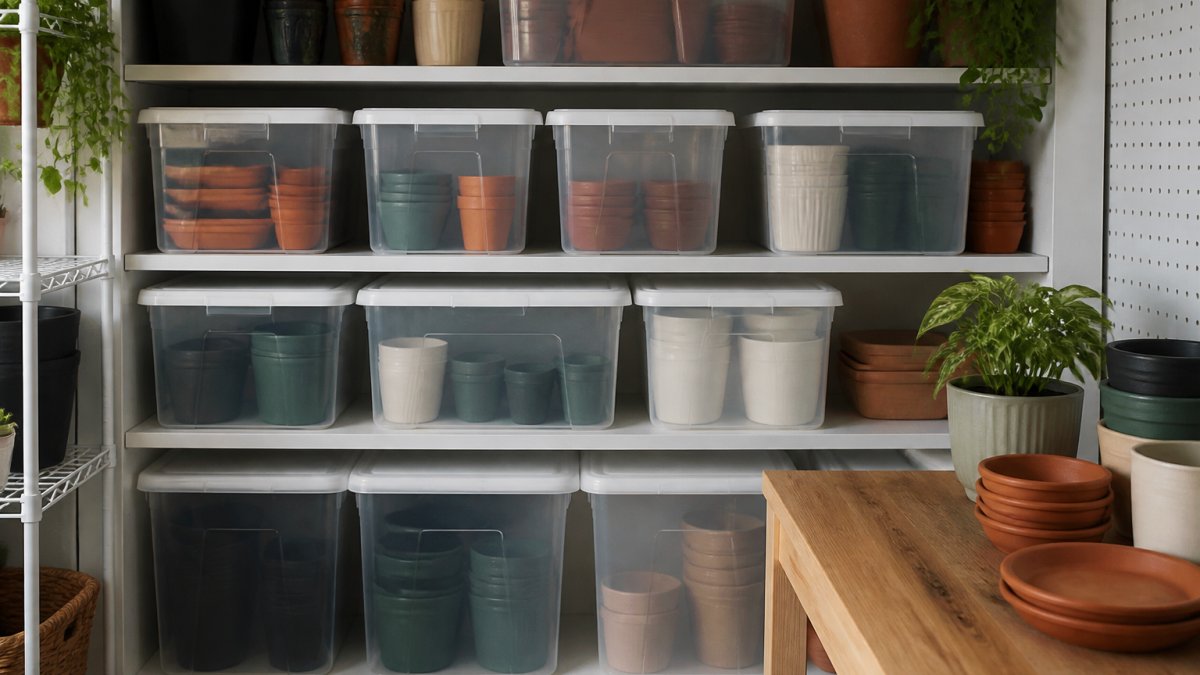
Remove items you don't use, if you haven't touched something in a year, it's just occupying space.
Create designated storage for everything, using clear, labeled plastic bins in closets and pantries.
Keep surfaces clear: less stuff means less to dust, move, and look at.
Outdoor Spaces and Plastic Planter Care
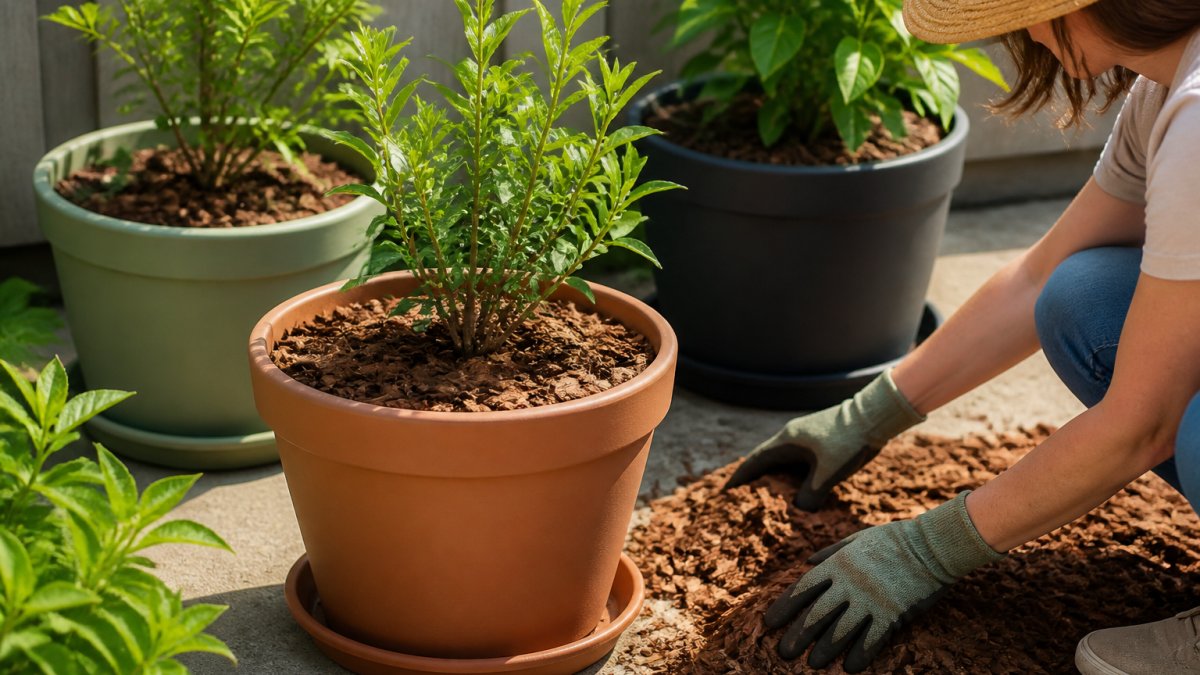
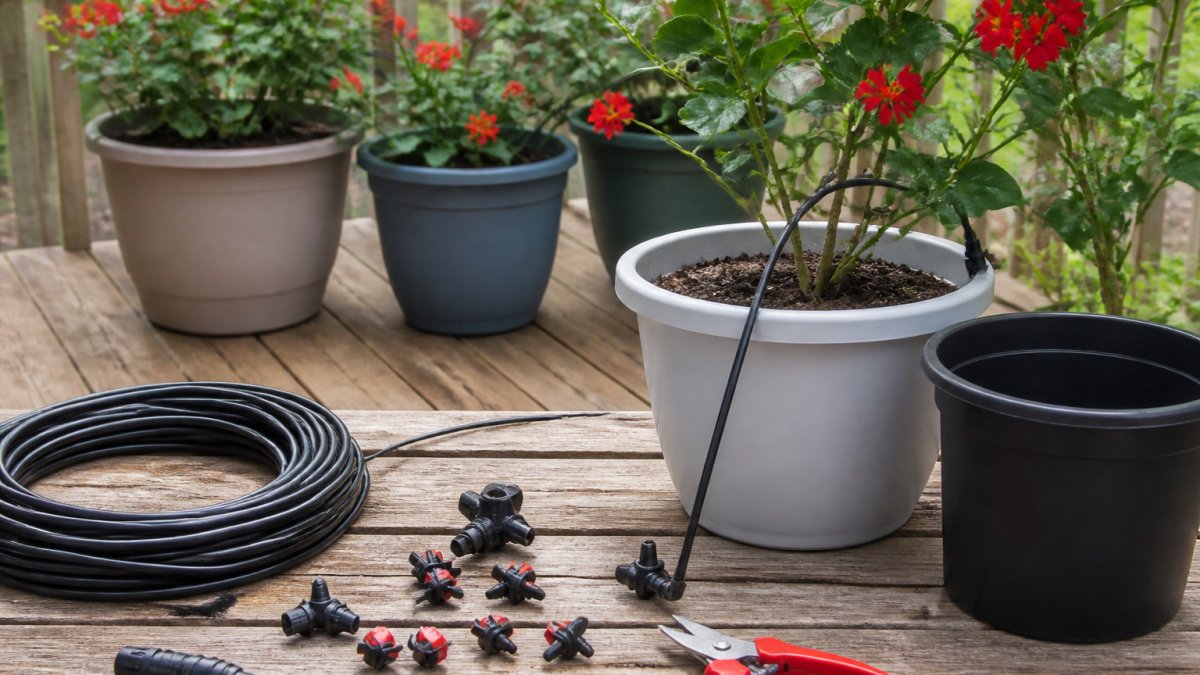
Your outdoor space should enhance your home, not add maintenance. The right planters keep your patio or balcony looking good year-round.
Plastic planters are the practical choice for easy maintenance.
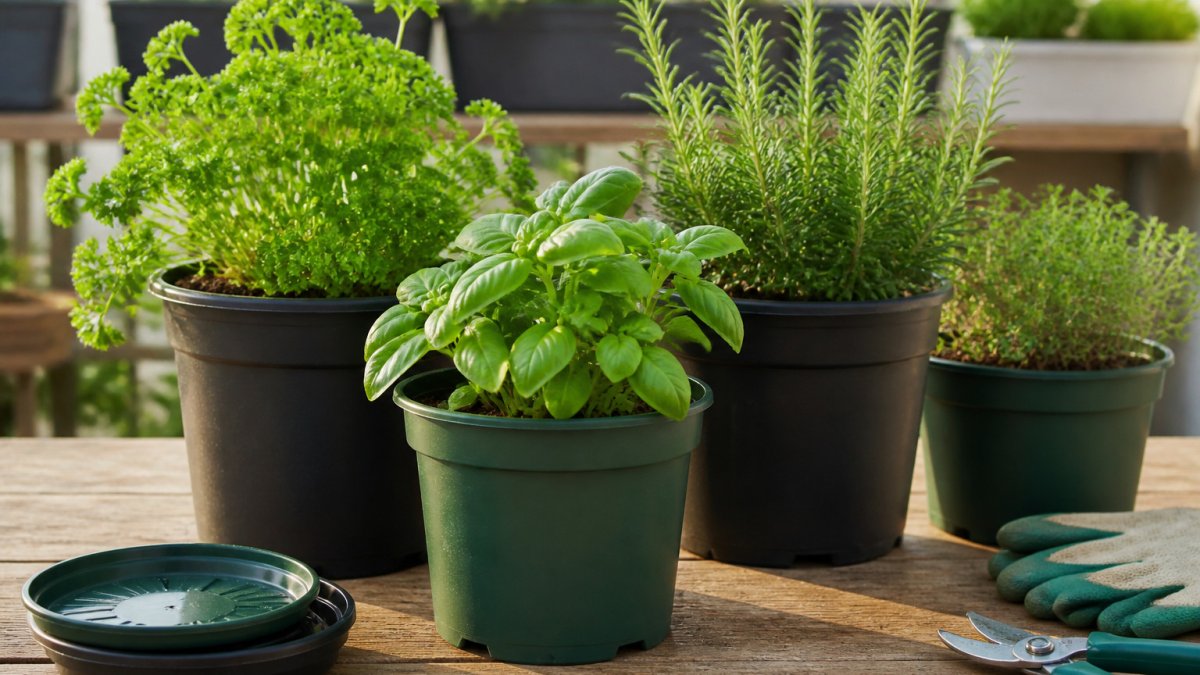
Protect your deck or patio surfaces with plant saucers. A heavy-duty saucer like [Beloit Plastics LLC's 10 inch Heavy Duty Polypropylene Saucer](https://beloitplastics.com/products/10-inch) catches excess water and prevents damage.

For larger outdoor spaces, choose slow-growing potted plants rather than in-ground landscaping: they're moveable, need less maintenance, and don't spread uncontrollably.
Prevent Dirt and Dust Before It Enters
The best way to reduce indoor cleaning is to stop dirt at the door. A well-maintained entryway catches most of the mess before it spreads.
Create a shoe storage area near the door.
Seal gaps around doors and windows. Air leaks allow dust to enter, especially in older homes.
Keep your HVAC filters clean. A dirty filter reduces airflow and allows more dust to circulate through your home.
Create Your Home Maintenance Checklist
A written checklist keeps you on track. Print this and post it somewhere visible:
Daily Tasks:
- Wipe kitchen counters
- Load or wash dishes
- Quick sweep of main areas
- Return items to storage
Weekly Tasks:
- Vacuum all carpeted areas
- Mop hard floors
- Clean bathrooms
- Dust surfaces
Monthly Tasks:
- Clean baseboards
- Wash windows
- Deep clean oven and microwave
- Wipe down light fixtures
Seasonal Tasks:
- Pressure wash outdoor surfaces
- Clean gutters
- Inspect and seal grout
- Check weather stripping around doors and windows
The key is consistency: small daily efforts prevent big problems later. With routines and cooperative materials, your home practically maintains itself.
Creating a home that's easy to clean and maintain isn't complicated, it starts with smart choices about materials, design, and routine. From choosing practical flooring to protecting your outdoor spaces with durable planters and saucers, every decision impacts how much time you spend cleaning.
Frequently Asked Questions
What are the best materials for a low-maintenance home?
Hard flooring like tile, vinyl, or laminate beats carpet for easy cleaning. Polypropylene and plastic materials resist staining and moisture damage, durable choices for both indoor and outdoor spaces. Sealed granite or quartz countertops require less maintenance than natural stone. Choose washable paint finishes and upholstery fabrics rated for frequent cleaning. These materials cut your cleaning time significantly and hold up to daily wear without cracking or fading.
How often should I deep clean if I follow a daily house cleaning routine?
A solid daily house cleaning routine handles spills, dust, and clutter daily, so deep cleaning drops to once or twice a month. Focus deep cleaning on areas daily cleaning misses: baseboards, light fixtures, grout lines, and behind furniture. If you prevent dirt from entering and maintain surfaces properly, your deep-cleaning sessions shrink to 2-3 hours monthly instead of a full weekend.
How do I care for plastic planters to keep them lasting through winter?
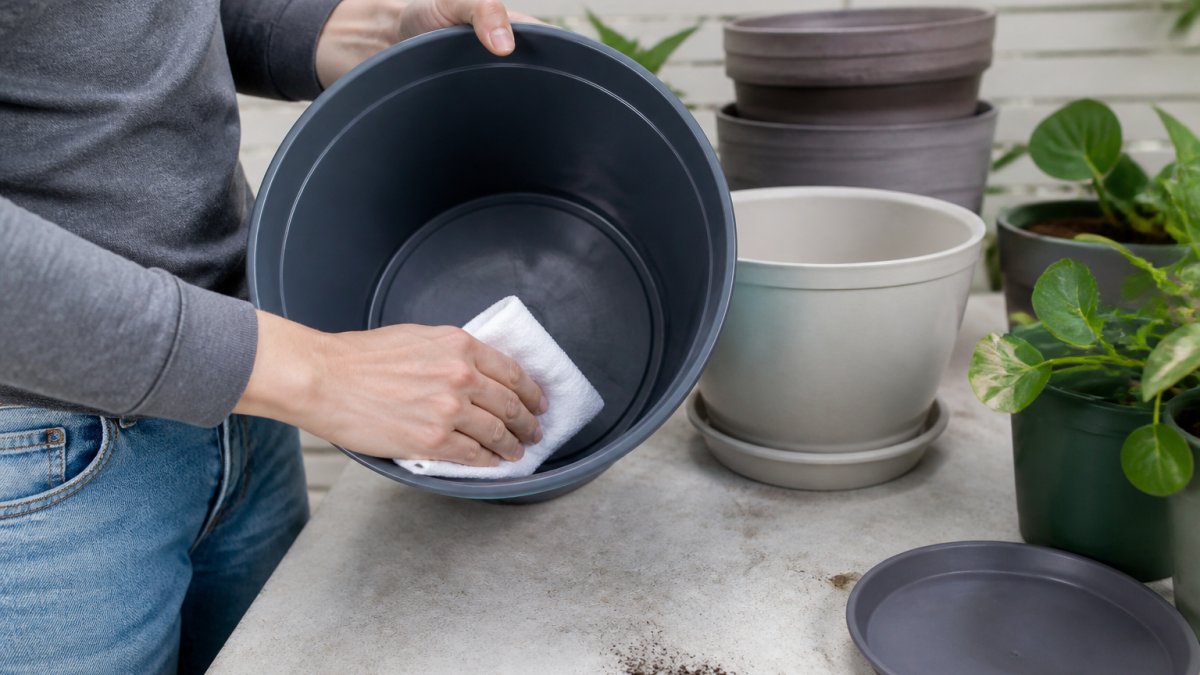
Plastic planter care is straightforward: rinse with a hose or wipe with a damp cloth after watering to prevent mineral buildup. In freeze-thaw climates, empty pots before winter and store them in a garage or shed, or leave them empty and uncovered so water drains freely. High-quality polypropylene planters resist cracking during temperature swings. Avoid leaving standing water in saucers, as pooled water can damage decks and patios. Clean saucers monthly to prevent algae and mold growth.
What's the difference between upfront cost and long-term maintenance cost?
Cheaper materials often cost more to maintain: carpet stains require professional cleaning; low-grade flooring warps and needs replacement; flimsy furniture breaks quickly. Investing upfront in durable materials like polypropylene saucers ($9.99-$25.99), sealed countertops, and quality hard flooring saves thousands in repairs and replacements. A durable 10-inch saucer protects your deck from water stains for years, while cheap alternatives crack and fail within one season. Higher initial cost pays back through reduced maintenance time and fewer replacements.