 how-to
How to Protect a Deck from Water Damage in 2026
Table of Contents
- Why Water Is the Real Enemy of Your Deck
- Signs of Water Damage to Look For
- What You Need to Protect a Deck from Water Damage
- How to Clean a Deck Before Sealing
- Best Deck Sealer for Water Protection: Choosing the Right One
- Step-by-Step: How to Seal Your Deck for Water Protection
- How Often to Reseal a Deck
- Use Durable Deck Planters for Moisture Control
- Frequently Asked Questions
Last Updated: September 6, 2026
Why Water Is the Real Enemy of Your Deck
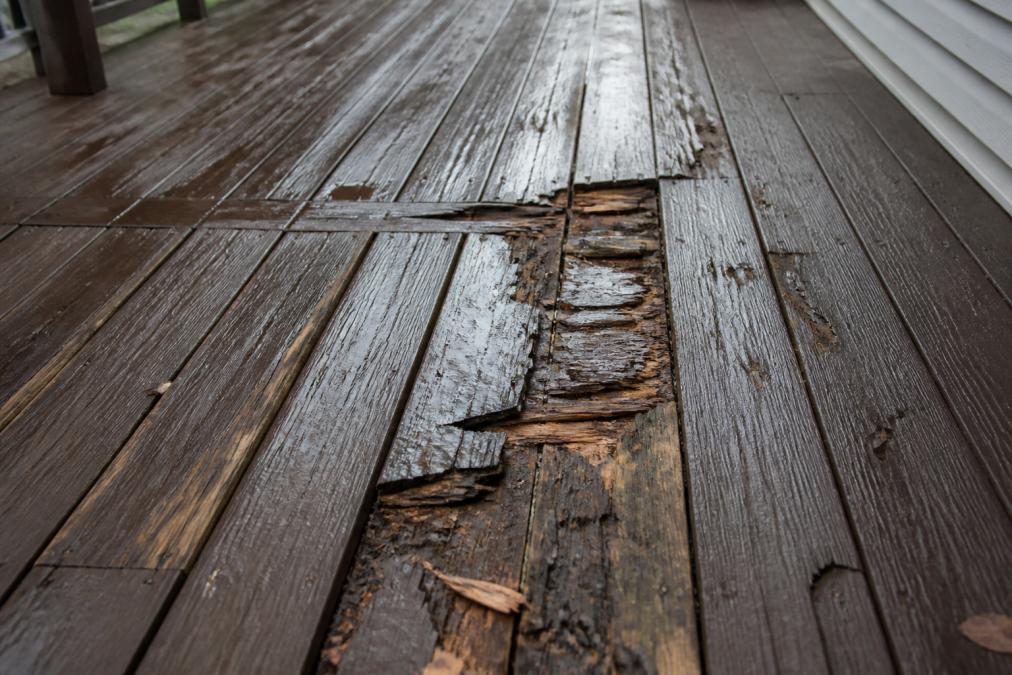
Water damage is the leading cause of premature deck failure, yet most homeowners only think about protecting their deck after the first signs of rot appear. The deck water damage process starts silently: moisture seeps into wood fibers, encourages fungal growth, and gradually compromises the structural integrity of joists, stair stringers, and fascia boards. Prevention is always cheaper than deck restoration.
The challenge is that your deck faces constant assault from rain, snow, and humidity. According to USDA Forest Products Laboratory research on wood decay, wood begins to decay when its moisture content consistently exceeds 20 percent. That threshold is easy to cross during a typical rainy season, which is why sealing frequency matters as much as the initial application.
Below, we'll walk through the complete process of protecting your deck, from spotting early warning signs to choosing the right waterproof sealant. We'll also cover a layer of protection most guides miss entirely: managing the moisture that comes from potted plants on your deck surface.
Signs of Water Damage to Look For
Deck water damage rarely announces itself dramatically. It starts with subtle changes you can spot during a 10-minute inspection. Look for dark or discolored patches on the wood surface, which indicate trapped moisture beneath the finish. Check for wood that feels soft or spongy when pressed with a screwdriver, particularly around fastener heads and end grains.
Mold and mildew growth in shaded corners is another clear signal. If you notice the wood grain raising or splintering, or if the surface no longer beads water after rain, the protective finish has failed. This Old House guidance on deck maintenance recommends inspecting decks twice yearly, especially before winter weather arrives.
What You Need to Protect a Deck from Water Damage
Before you begin, gather the right materials and tools. The essential list includes a waterproof sealant appropriate for your wood type, a stiff-bristle brush or power washer for cleaning, and a mildew-resistant cleaner. You'll also need a roller or sprayer for application, plus painter's tape to protect adjacent surfaces.
For pressure-treated lumber, choose a penetrating oil that seeps into the wood fibers rather than sitting on the surface. For cedar or redwood, a semi-transparent pigmented sealer offers both UV protection and a moisture barrier while letting the natural grain show through.
How to Clean a Deck Before Sealing
Surface preparation determines whether your sealant lasts two seasons or ten. Skipping this step is the most common cause of premature sealant failure. Start by clearing the deck of all furniture, planters, and debris. Sweep thoroughly to remove loose dirt and leaves that can trap moisture against the wood.
For general cleaning, mix a deck-specific cleaner with water and scrub using a stiff-bristle brush. If you use a power washer, keep the nozzle at least 12 inches from the surface and use a wide fan pattern to avoid gouging the wood. Allow the deck to dry completely, which typically takes 24 to 48 hours depending on humidity and sun exposure.
| Cleaning Task | Method | Dry Time Before Sealing |
|---|---|---|
| Light dirt and pollen | Broom sweep + deck cleaner | 24 hours |
| Mildew or algae | Mildew-specific wash | 48 hours |
| Old sealant residue | Power wash or chemical stripper | 48-72 hours |
| Gray, weathered wood | Brightener or wood restorer | 48 hours |
Best Deck Sealer for Water Protection: Choosing the Right One
The right sealer is not a single product but a category matched to your deck's wood and your climate. The two main categories are film-forming and penetrating. Film-forming sealers, such as acrylics and polyurethanes, lay a plastic-like layer on the wood's surface. They offer excellent water beading and can be tinted for UV protection, but they are prone to peeling and require stripping before reapplication. Penetrating sealers, which include oils and water-repellent preservatives, soak into the wood fibers to protect from within. They do not peel, making re-coating easier, but they offer less abrasion resistance and may need more frequent application.
Within the penetrating category, the key distinction is between oil-based and water-based formulas. Oil-based products, often using linseed or tung oil, penetrate deeply and enhance the wood's natural grain, but they can darken some woods and have a longer dry time. Water-based penetrating sealers are lower in VOCs and clean up with soap and water, but they may not penetrate as deeply on dense hardwoods.
For pressure-treated lumber, a clear penetrating sealer is often sufficient, as the wood is already protected against rot but not against water absorption and cracking. For cedar and redwood, which are naturally rot-resistant but prone to graying, a semi-transparent pigmented sealer is a strong choice, as the pigment provides UV protection that slows the graying process. For composite decking, which does not rot, a sealer is generally unnecessary; a simple cleaner is all that is required.
Climate is the other major factor. In regions with freeze-thaw cycles, a penetrating sealer is critical because film-forming sealers can crack as the wood expands and contracts. In hot, sunny climates, the primary threat is UV degradation, so a product with a high concentration of UV blockers is essential. Look for a sealer that explicitly states it is for "above-ground" use and check the coverage rate; a high-quality product will typically cover 200-400 square feet per gallon on smooth wood, with rougher, sawed wood requiring more.
Step-by-Step: How to Seal Your Deck for Water Protection
A proper application is the difference between a two-year seal and a five-year seal. Here is the process that most professional contractors follow.
- Confirm the wood is clean and dry. Use a moisture meter to check several areas, especially near the house and in shaded spots. The wood should read below 15 percent moisture content. If it reads higher, wait a few more days.
- Choose a dry day with temperatures between 50°F and 80°F and no rain forecast for 48 hours. Avoid applying in direct, hot sunlight, as the sealer can dry too quickly and leave lap marks.
- Stir the sealer thoroughly, but do not shake it, as shaking introduces air bubbles. Pour the sealer into a paint tray or a pump sprayer for larger areas.
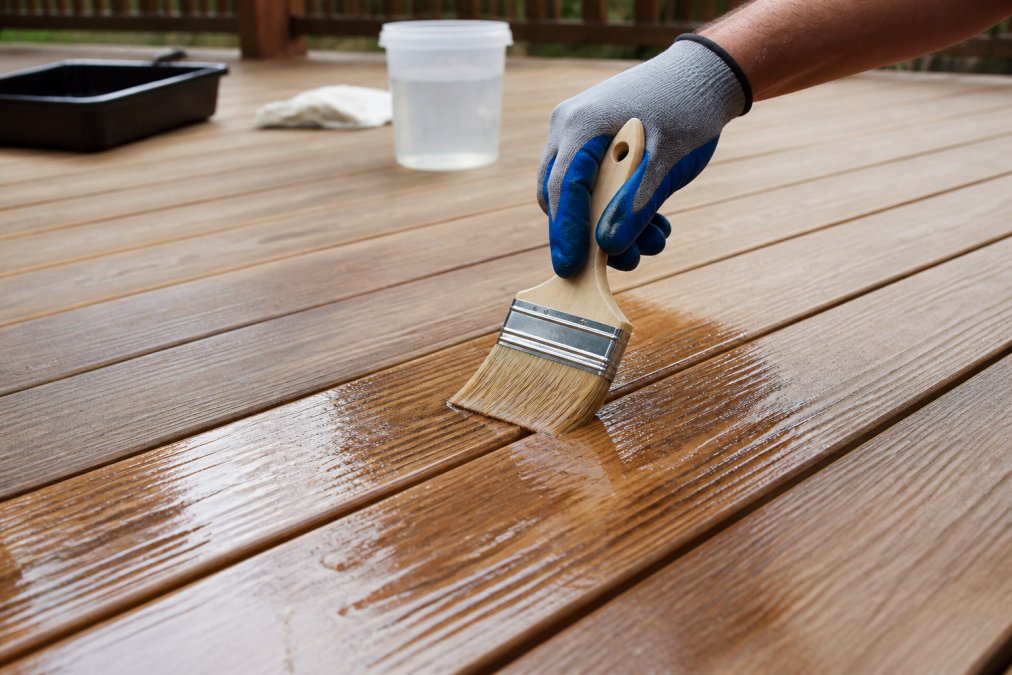
- Apply the sealant using a roller with a medium-nap cover for the main surface and a brush for edges, corners, and between boards. If using a sprayer, back-roll immediately to ensure even penetration.
- Work in sections, maintaining a wet edge to avoid lap marks. Do not stop in the middle of a board; always finish the board you are on.
- Apply a second coat if the manufacturer recommends it, typically within 2-4 hours. Some high-quality penetrating oils require a second coat to achieve full saturation.
- Allow proper curing time before walking on the deck or replacing furniture. This is usually 24-48 hours, but check the label; some oil-based products need up to 72 hours.
- Inspect the application for missed spots or pooling. A common mistake is leaving puddles of sealer, which will dry as sticky, dark patches. Touch up any missed areas with a brush.
Troubleshooting a Failed Sealant Application
If you are reading this because your last sealing job failed, you are not alone. Peeling, blotchiness, and a sticky surface are common failures, and each has a specific cause and fix.
Peeling or flaking is almost always a sign that a film-forming sealer was applied over a dirty, damp, or previously oiled surface. The fix is to strip the old finish completely. Use a chemical deck stripper, following the manufacturer's instructions, and then power wash the deck to remove all residue. Allow it to dry for 48 hours before applying a new coat of a penetrating sealer.
Blotchy or uneven color often happens when the sealer is applied to wood with varying porosity, such as new wood next to old wood, or when the sealer is not stirred properly. The fix is to apply a wood brightener to even out the surface, let it dry, and then apply a fresh, uniform coat.
A sticky or tacky surface that does not dry is usually caused by applying too much sealer or applying it in cool, humid conditions. The sealer's solvents cannot evaporate. The only fix is to apply a light coat of the same sealer to help it dry, or to use a dehumidifier if the deck is enclosed. In severe cases, you may need to strip the deck and start over.
How Often to Reseal a Deck
Most quality sealants last between one and three years, but the exact sealing frequency depends on your climate, wood type, and product choice. A simple water test tells you when it's time: sprinkle water on the surface. If it beads up and rolls off, the moisture barrier is still working. If the water soaks in and darkens the wood, the sealant has worn through.
Plan to reseal before winter in colder climates, as repeated freeze-thaw cycles are brutal on unprotected wood. In sunny climates, reseal when the surface starts to look dry or gray. Consumer Reports deck sealer testing guidance suggests that premium sealers can extend the interval to three years, while budget options may need annual reapplication.
Use Durable Deck Planters for Moisture Control
One of the most overlooked sources of deck water damage is potted plants. Every time you water a planter, excess water drains through the soil and sits directly on the deck surface. Over time, this constant moisture penetrates the sealant and creates localized rot zones that spread outward.
The solution is simple: use saucers under every planter to catch drainage. Beloit Plastics LLC offers a range of heavy-duty polypropylene saucers made in the USA that collect excess water and soil spillage before they reach your deck. Available in sizes from 4 to 12 inches, these durable saucers protect hardwood floors, carpets, decks, and furniture from the water stains and rings plants often leave behind.

EPA guidance on preventing moisture damage in homes emphasizes that controlling moisture at the source is the most effective strategy for preventing wood decay. Adding a saucer under each planter is the easiest moisture control measure you can implement, and it protects your deck investment every single day, not just after resealing. The Austin Saucer line from Beloit Plastics LLC pairs classic design with heavy-duty construction, so you get reliable protection that also enhances your patio aesthetics.
Protecting your deck from water damage requires a two-pronged approach: a quality sealant applied correctly and consistent moisture management at the surface level. The sealant handles rain and snow, while saucers under your planters stop the constant drip of watering sessions. Beloit Plastics LLC offers U.S.-made saucers engineered for all-season durability, with free shipping and a 30-day return policy if they don't fit your space. Get started with Beloit Plastics LLC and keep your deck structurally sound for years to come.
Frequently Asked Questions
What is the best protective coating for a wood deck?
The best protective coating depends on your deck's exposure and condition. For maximum protection against water damage, a film-forming sealer like a polyurethane coating offers a strong moisture barrier. For decks with existing wear, a penetrating oil sealer soaks into the wood fibers to repel water while allowing the deck to breathe. Always check the moisture content of your deck before applying any coating to ensure proper adhesion and curing.
How often should you seal a deck to prevent water damage?
Most decks need resealing every 1 to 3 years, but the exact frequency depends on your climate and the sealer type. A simple test is to sprinkle water on the deck: if it beads up, the sealant is working. If the water soaks into the wood fibers quickly, it is time to reseal. In areas with weather extremes, check annually, especially before winter to prevent wood rot.
How can I protect my deck from planters and pots?
Planters and pots trap moisture against your deck, which can lead to water stains and wood rot. Use a durable deck planter saucer under every pot to catch excess water drainage. Heavy-duty polypropylene saucers, like the Austin Saucer from Beloit Plastics, create a barrier between the pot and the deck boards. They are made in the USA and prevent harmful water rings and soil spillage.
What can I put under my deck to keep it dry?
To keep the area under your deck dry, you need to manage both surface water and ground moisture. An under-deck drainage system catches water between the joists and channels it away, protecting the structural components below. On the ground, a vapor barrier prevents ground moisture from rising. Above, ensure your deck's sealing is intact to stop water from seeping through the deck boards.