 listicle
Long Lasting Garden Accessories Online: 2026 Buyer's Guide
Table of Contents
- What Separates Long Lasting Garden Accessories From One-Season Buys
- Durable Outdoor Planters and Saucers That Handle Real Weather
- The Best Garden Decor for Patios, Balconies, and Small Yards
- Weather-Resistant Garden Decor: Reading the Specs Before You Buy
- Climate-Specific Picks: What Survives the Northeast, South, and West
- Maintenance That Adds Years: A Simple Seasonal Care Routine
- How to Shop for Long Lasting Garden Accessories Online
- Frequently Asked Questions
Last Updated: September 16, 2026
What Separates Long Lasting Garden Accessories From One-Season Buys
Shopping for long lasting garden accessories online comes down to one question: will this survive winter? Most one-season buys fail for predictable reasons, and once you know them, you can spot a disposable planter before you add it to your cart. This guide from Beloit Plastics LLC covers what determines lifespan, which materials age well outdoors, and how to buy with confidence.
The Four Failure Points: UV, Freeze-Thaw, Moisture, and Impact
Ultraviolet light breaks down polymer chains in cheap plastic, causing brittleness and color loss. Freeze-thaw cycling is the quiet killer: water seeps into microcracks, expands as it freezes, and widens them season after season. Standing moisture rots roots, stains decks, and corrodes metal fittings. Impact covers dropped pots and wind-blown debris.
Durable Outdoor Planters and Saucers That Handle Real Weather
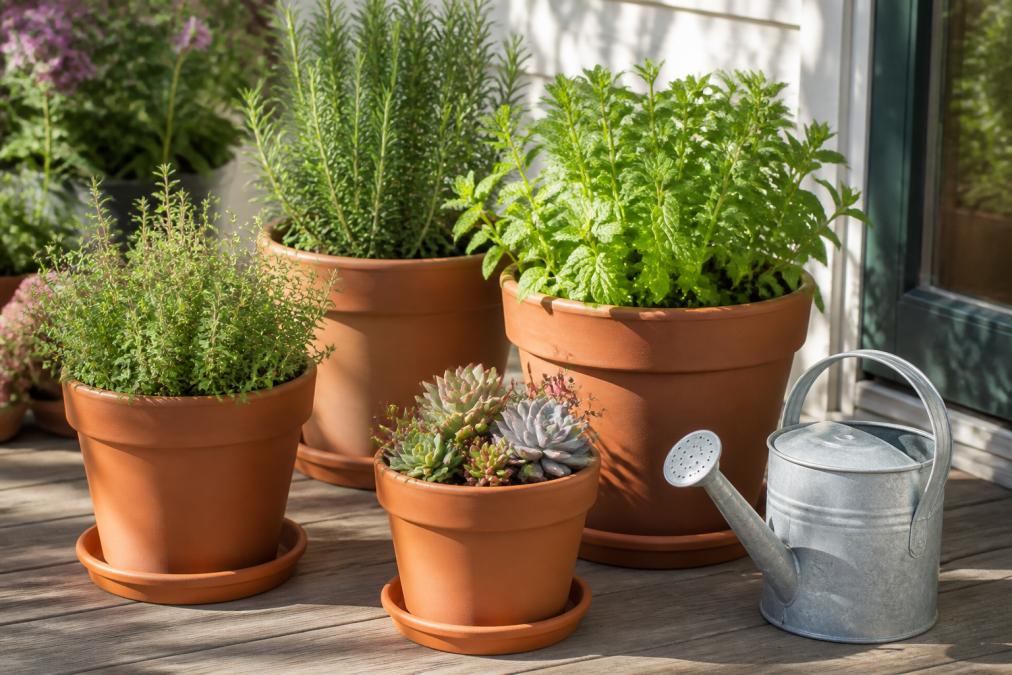
Durable outdoor planters share three traits: thick walls, UV-stabilized resin, and drainage built in rather than drilled after purchase. The saucer matters just as much, since it protects your deck, patio, or balcony floor from water rings and staining.
Why Drainage and Saucer Design Decide Planter Lifespan
Drainage is the most common failure point. A pot without drainage holes traps water against the root zone, causing root rot and, in cold climates, freezing and splitting the container from the inside.
The Best Garden Decor for Patios, Balconies, and Small Yards
The best garden decor for patios and balconies earns its footprint: pieces that add color or function without demanding off-season storage. Small-space gardening rewards vertical and portable choices over heavy permanent installations, but durability changes by category. A pinwheel, a bollard light, and a bird bath all fail for different reasons, and knowing which stressor drives each one separates a piece that lasts three seasons from one that lasts ten.
Vertical and Portable Pieces That Survive the Off-Season
For balconies, hanging planters free up floor space entirely; the Austin Planter 9 inch hanging pots are lightweight enough for a rail bracket yet sturdy enough for a season of trailing plants. For patios, the Spinning Daisies pinwheels bring motion and color, and their galvanized steel axles will not rust. The 18 inch square resin pavers turn an uneven gravel or dirt corner into a stable, slip-resistant surface.

Lighting and Water Features: The Categories Most Buyers Overlook
Garden lighting and small water features burn small-space buyers most often, because their failure modes differ from planters. Solar bollards and path lights fail two ways: water ingress at the lens seal and battery degradation from heat. A fixture rated IP65 or higher resists rain and spray; an unrated one fogs and shorts within a season or two.
Matching Decor to Your Climate Before You Buy
Climate should drive your shortlist more than style. In coastal areas, salt spray accelerates corrosion on bare metal, so prioritize powder-coated or galvanized finishes and stainless hardware. In desert and high-UV regions, fade-resistant color and UV-stabilized plastics matter more than wall thickness, since sun exposure is the dominant stressor. In hard-freeze regions, prioritize thick-walled containers, removable pump assemblies, and bird baths you can drain before the first frost.
Weather-Resistant Garden Decor: Reading the Specs Before You Buy
Weather-resistant garden decor is rated to withstand sun, rain, and temperature swings without cracking, fading, or corroding. The label on the box tells you almost nothing; the material callout in the product description tells you everything.
Look for these terms and what they actually mean:
- UV-stabilized or fade-resistant: additives slow color loss and prevent the plastic from going brittle
- Weather-resistant polypropylene: holds up to moisture and freeze-thaw better than untreated resin
- Powder-coated or galvanized steel: the coating is the corrosion barrier, so chips matter
- Rust-proof hardware: check the axle, stem, or fastener material, not just the body
Materials Ranked by How They Age Outdoors
| Material | UV Resistance | Freeze-Thaw | Typical Weak Point |
|---|---|---|---|
| UV-stabilized polypropylene | High | High | Thin walls flex under load |
| Galvanized steel | High | High | Coating chips expose bare metal |
| Resin composite | Medium | Medium | Surface dulls, can craze |
| Untreated plastic | Low | Low | Cracks within a season |
| Glazed ceramic | High | Low | Chips and cracks in hard freezes |
The pattern is consistent: the material determines the failure mode, and the failure mode determines how many seasons you get. A university extension guide to winter protection for container plants covers how cold exposure stresses containers and root systems, which is why material choice matters more in cold climates than in mild ones.
Climate-Specific Picks: What Survives the Northeast, South, and West
Climate should drive your shortlist, and most buying guides skip this. The same planter that thrives in a mild coastal yard may crack after two winters of hard freeze-thaw cycling. Most online guides treat "weather-resistant" as one property when it is really four, and regions weight those stressors differently.
Austin Planter 9 inch Hanging Flower →
Cold and Freeze-Thaw Regions
In the Northeast and Upper Midwest, freeze-thaw is the dominant stressor: water seeps into microcracks, expands as it freezes, and widens them season after season. Prioritize thick-walled polypropylene and always use a saucer, since trapped water splits containers. Empty saucers before the first hard frost. Customers in cold regions report that polypropylene planters hold up where thinner plastic fails.
Hot, Humid, and High-UV Regions
In the South and Southwest, UV and heat do the damage. Fade-resistant color matters, and so does drainage, since intense sun plus frequent watering is hard on roots. Heat is the hidden killer for lighting and water features: sealed solar batteries degrade faster in sustained high temperatures, so a replaceable battery beats a longer warranty on a sealed unit.
Coastal and Salt-Spray Regions
Coastal yards add salt, which accelerates corrosion on bare metal. Powder-coated and galvanized finishes are the barrier, so chips matter more here than anywhere else; touch up any chip on a steel stake, hook, or axle immediately with plastic-safe paint. Stainless fasteners are worth the premium, because a rusted screw at a joint ends the life of an otherwise sound piece.
Dry, High-Swing Regions
In the West, where dry air and big day-night temperature swings are common, resin pavers and stepping stones handle ground-level wear without cracking. That swing is the stressor most buyers underestimate: it works the freeze-thaw mechanism on a smaller scale, opening microcracks in rigid materials. Flexible resin composites tolerate that movement better than glazed ceramic or thin concrete.
A Simple Climate-to-Material Shortlist
- Hard freeze-thaw: thick-walled UV-stabilized polypropylene, factory-molded drainage, matching saucer
- High UV and heat: fade-resistant polypropylene, replaceable-battery lighting, drainable water features
- Coastal salt spray: powder-coated or galvanized steel, stainless fasteners, immediate chip touch-up
- Dry with big day-night swings: resin composite pavers and stepping stones over rigid ceramic
The pattern is consistent: the material determines the failure mode, the climate determines which failure mode arrives first, and matching the two is what gets you a decade instead of two seasons.
Maintenance That Adds Years: A Simple Seasonal Care Routine
Maintenance is the cheapest durability upgrade you can make. A fifteen-minute routine twice a year prevents most of the damage that ends a product's life early.
- Spring: Rinse pots and saucers, check drainage holes for clogs, and inspect metal parts for chips
- Summer: Wipe down surfaces monthly to keep UV-blocking color bright and prevent staining
- Fall: Empty saucers, remove standing water, and bring lightweight pieces indoors if you have space
- Winter: Leave heavy, weather-resistant pieces in place, but elevate them slightly off bare ground
- Anytime: Touch up chipped paint on steel with plastic-safe paint to stop rust from spreading
How to Shop for Long Lasting Garden Accessories Online
Buying long lasting garden accessories online is mostly a filtering exercise. You cannot tap wall thickness through a screen, so judge the product by what the listing tells you.
Work through this checklist before you buy:
- Read the material line first. "UV-stabilized polypropylene" and "weather-resistant resin" are meaningful. "Durable plastic" is not.
- Confirm drainage is factory-molded. If the listing tells you to drill your own holes, keep looking.
- Check whether a saucer is included. Buying it separately often costs more than a set that includes it.
- Match size to your space before ordering. Measure your rail, ledge, or patio corner, then compare against the listed dimensions.
- Look for made-in-USA manufacturing. Domestic production makes replacement parts and returns far simpler.
- Check the return policy. A 30-day window removes most of the risk from ordering online.
Frequently Asked Questions
What materials are best for long-lasting outdoor garden accessories?
Polypropylene and heavy-duty resin hold up best in most U.S. climates. They resist UV fading, do not rust like galvanized steel eventually can, and handle freeze-thaw cycles without cracking the way unglazed terracotta does. Powder-coated metal works well for trellises and supports, while wrought iron suits decorative pieces that stay under a porch. Look for recycled polypropylene if sustainability matters to you, since it performs the same as virgin resin.

Are plastic garden accessories durable enough for harsh climates?
Yes, if the plastic is thick and UV-stabilized. Thin, cheap plastic becomes brittle after one winter and cracks at the rim. Thicker polypropylene, like the 4 inch flower pots with saucers from Beloit Plastics, holds its shape through repeated freezes and thaws. In the Northeast and upper Midwest, bring lighter decorative items indoors before the first hard freeze and leave heavy planters and saucers outside year-round.
How do I choose garden decor that won't fade in the sun?
Check whether the color is molded through the material or painted on the surface. Painted finishes chalk and peel within a season or two in strong sun. Color molded throughout the resin, like the spinning daisies with galvanized steel stems, keeps its appearance year after year. For planters, fade-resistant polypropylene holds color for several seasons outdoors without turning chalky or washed out.
What are the benefits of choosing American-made garden products?
American-made garden accessories usually mean shorter shipping distances, clearer material specs, and easier returns. Beloit Plastics makes its planters, saucers, and stepping stones in Wisconsin from recycled polypropylene, so you can trace what you are buying. Domestic manufacturing also tends to mean thicker walls and tighter quality control, which matters most when you are paying for something you expect to last more than one season.