 listicle
Best Weather-Proof Plant Pots: 2026 Guide
Table of Contents
- What Makes a Plant Pot Weather-Proof
- Best Materials for Outdoor Garden Pots
- Frost-Resistant Outdoor Planters: What You Need to Know
- Austin Planter 4-Inch Pots with Saucers: Versatile and Fade-Resistant
- Austin Planter Hanging Pots: Durable Options for Patios and Decks
- How to Winterize Outdoor Plant Pots
- Drainage, Sizing, and Weight: Key Factors for Outdoor Success
- Frequently Asked Questions
Last Updated: September 18, 2026
What Makes a Plant Pot Weather-Proof
Weather-proof plant pots are engineered to withstand outdoor conditions year-round without cracking, fading, or degrading. The best weather proof plant pots combine durable materials, proper drainage, and UV-resistant finishes to protect both your plants and your outdoor surfaces.
Weather-resistance depends on three core factors: material composition, structural design, and protective coatings. Polypropylene and resin-based pots outperform traditional terracotta because they don't absorb moisture, which causes freeze-thaw damage in cold climates. The thickness of the pot walls matters too, thin plastic cracks easily under thermal stress, while thick-walled construction flexes with temperature changes without breaking.
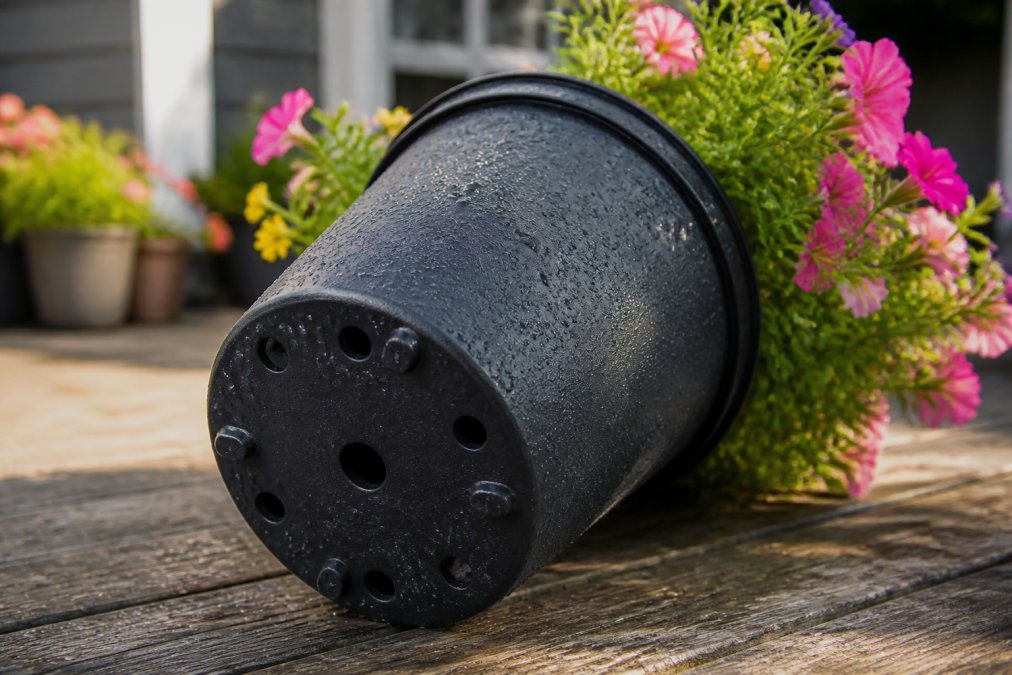
Drainage holes are non-negotiable for outdoor use. Standing water in a pot accelerates deterioration and kills plant roots. The best designs include multiple holes on the bottom and a saucer that collects excess water without trapping moisture underneath. UV resistance is equally critical, materials that fade quickly look shabby within a season and may become brittle as the plastic degrades.
Beloit Plastics LLC offers a durable selection of U.S.-made planters, saucers, and outdoor garden accessories designed to elevate your gardening experience. Engineered for longevity and everyday use, our products provide dependable performance throughout every season. The fade-resistant finish means your pots stay vibrant through multiple seasons of sun exposure.
Best Materials for Outdoor Garden Pots
When selecting materials for outdoor planters, you're choosing between plastics, concrete, fiberglass, and resin. Each has different durability profiles, weight considerations, and aesthetic appeal.
Polypropylene (plastic) is the most practical choice for most homeowners. It's lightweight, won't crack in freezing temperatures, and resists moisture absorption that causes terracotta to shatter. The downside: cheap polypropylene becomes brittle over time. Quality matters enormously here.
Resin pots offer a middle ground between plastic and ceramic aesthetics. High-impact polypropylene resin (the material Beloit Plastics LLC uses) provides durability comparable to polypropylene but with a more refined appearance.
Concrete and stone pots are heavy and durable but have serious drawbacks. They absorb moisture, which causes cracking in freeze-thaw climates. A concrete pot that survives winter in mild climates will shatter in harsh conditions. They're also extremely heavy, moving a 20-inch concrete planter requires two people. For stationary installations in stable climates, concrete works. For anything else, skip it.
Fiberglass is lightweight and durable but expensive. It resists UV damage and won't crack from freezing, making it ideal for high-end installations. The cost ($80-200 per pot) puts it out of reach for most container gardeners.
For most homeowners, recycled polypropylene and resin deliver the best balance of durability, weight, and price. These materials won't crack in winter, resist fading, and stay lightweight enough to move seasonally.
Frost-Resistant Outdoor Planters: What You Need to Know
Frost-resistance and weather-resistance are related but distinct. A frost-resistant pot can survive freeze-thaw cycles without cracking. A weather-resistant pot handles sun, rain, wind, and temperature swings without degrading.
True frost-resistance requires a material that doesn't absorb water. Terracotta, ceramic, and concrete all absorb moisture into their porous structure. When temperatures drop below freezing, that water expands, creating internal pressure that cracks the pot from the inside out. This happens even in pots that look solid on the surface.
Polypropylene and high-impact resin don't absorb water, so they're naturally frost-proof. The pot itself won't crack. However, soil inside the pot can freeze and expand, putting stress on the walls. Quality construction (thick walls, proper reinforcement) prevents this from causing damage.
The biggest mistake homeowners make is confusing "weather-resistant" marketing claims with actual freeze-thaw testing. A pot that survives one winter in a mild climate may shatter in the first hard freeze in the Northeast. Look for products specifically tested in harsh conditions, not just labeled as "weather-resistant."
Beloit Plastics LLC's Austin Planter line is engineered for freeze-thaw durability. The thick polypropylene construction flexes slightly as soil freezes and thaws, preventing the cracking that destroys inferior pots. Tom J., Colorado: 'Bright and Fun!', Rick B., Ohio: 'Classic Look That Lasts'

Austin Planter 4-Inch Pots with Saucers: Versatile and Fade-Resistant
The Austin Planter 4-inch pots with saucers are purpose-built for durability and year-round use. Made from 95% recycled polypropylene, they're lightweight, recyclable, and built to last.

These pots come in five-packs with matching saucers, priced at $16.45 to $19.99 depending on color. The white granite finish offers a classic look that coordinates with any patio aesthetic. Colored options (terra cotta, lime green, red, purple, sea blue) provide visual appeal without sacrificing durability. The fade-resistant finish means colors stay vibrant through multiple seasons.
What makes them stand out:
The saucers have a ribbed underside to keep the saucer slightly above the flooring surface, allowing airflow so the floor contact area does not trap moisture under the saucer. The included saucers help collect excess water and protect surfaces.
Austin Planter Plastic Flower Pots with →
At 4 inches, these pots suit small herbs, succulents, and starter plants. The five-pack format makes them ideal for creating a cohesive container garden.
Pros:
- Lightweight and easy to move
- Saucers protect surfaces from water stains
- Fade-resistant color lasts multiple seasons
- Made in USA with recycled materials
- Affordable when bought in five-packs
Cons:
- 4-inch size limits plant variety
Austin Planter Hanging Pots: Durable Options for Patios and Decks
Hanging pots require different engineering than standing pots. The hanger attachment must be strong enough to support soil weight and water.
Beloit Plastics LLC offers hanging pots in 7-inch, 9-inch, and 11-inch sizes. The 7-inch models ($29.95) come in white granite or terra cotta finishes with classic molded designs. The 9-inch terra cotta hanging pots ($34.25) feature bright, fade-resistant color and drainage holes. The 11-inch terra cotta with hangers ($29.99) are the largest option, suitable for trailing plants and larger specimens.
All hanging models use high-impact polypropylene with weather-resistant construction. The hangers are integrated into the pot design. The drainage holes on the bottom prevent water from pooling inside, and the pots are designed to shed water rather than trap it.
Hanging pot considerations:
Wind exposure increases stress on hanging installations. Lighter pots (plastic) are more practical than heavy concrete or ceramic, which can break free from brackets.
How to Winterize Outdoor Plant Pots
Winterization protects both your pots and your plants through freeze-thaw cycles. The strategy depends on your climate and the plant varieties you're growing.
Pot-specific winterization:
Drainage, Sizing, and Weight: Key Factors for Outdoor Success
Drainage is the foundation of outdoor pot success. Without proper drainage, water accumulates, roots rot, and the pot becomes a stagnant reservoir. Multiple drainage holes on the pot bottom are essential, not optional.
Sizing your pots:
Weight considerations:
Drainage maintenance:
| Factor | Impact on Success | Best Practice |
|---|---|---|
| Drainage holes | Prevents root rot and water stagnation | Multiple holes on bottom; clean regularly |
| Pot size | Controls water retention and root health | Match pot size to plant maturity |
| Material weight | Affects movement, installation, and durability | Plastic for flexibility; concrete for permanence |
| Saucer design | Protects surfaces from water damage | Elevated design with airflow underneath |
| Thermal properties | Influences soil temperature and freeze-thaw risk | Polypropylene handles freeze-thaw better than ceramic |
Frequently Asked Questions
What material is best for weather-proof plant pots in cold climates?
Polypropylene and high-impact resin are the top choices for cold climates because they resist frost cracking. Austin Planter pots use 95% recycled polypropylene, engineered to last several seasons outdoors even in harsh winters. For freeze-prone areas, prioritize polypropylene or resin with drainage holes to prevent water from pooling and freezing inside.
Do plastic weather-proof plant pots hold up well outside year-round?
Yes, quality plastic pots designed for outdoor use hold up well year-round when they're UV-resistant and made from durable materials. Fade-resistant polypropylene pots like Austin Planters maintain their bright colors and structural integrity through multiple seasons of sun exposure, rain, and temperature swings. The key is drainage holes to prevent root rot and lightweight construction. Invest in thick-walled, high-impact polypropylene for reliable all-weather performance.
How do I prevent my outdoor planters from cracking in winter?
Prevent winter cracking by choosing frost-proof materials like polypropylene or resin, ensuring proper drainage so water doesn't freeze inside, and elevating pots slightly off the ground to allow airflow. Empty pots or add drainage saucers to catch excess water. For added protection, move tender plants indoors or wrap pots in burlap in extreme climates. Avoid terracotta and thin ceramics in freeze-thaw zones. Polypropylene pots handle thermal expansion without cracking.
What's the difference between frost-proof and weather-resistant planters?
Frost-proof planters are specifically engineered to survive freeze-thaw cycles without cracking, using materials like polypropylene. Weather-resistant planters resist fading, moisture damage, and general wear but may not survive extreme cold. If you live where temperatures drop below freezing, prioritize frost-proof construction. For milder climates, weather-resistant is sufficient. Check material specs: polypropylene and resin are frost-proof; terracotta and unglazed ceramic are not.
Do weather-proof pots need drainage holes?
Yes, drainage holes are essential for all outdoor planters, including weather-proof ones. Without drainage, water pools at the bottom, leading to root rot, soil compaction, and in freezing climates, ice formation that can crack even durable pots. Drainage holes also improve aeration for root health. Saucers collect excess water to protect decks and patios from staining. Austin Planter pots include pre-drilled drainage holes and matching saucers, so no drilling is required. Proper drainage is one of the most important factors for plant survival and pot longevity.