 listicle
Best Planters for Apartment Balconies
Table of Contents
- Best Planters for Apartment Balconies: Quick Comparison
- Lightweight Balcony Planters for Space-Saving Container Gardening
- How to Secure Balcony Planters for Safety
- Best Plants for Container Gardening on Balconies
- Drainage, Weather Resistance, and Durability
- Sizing Your Planters to Fit Your Balcony
- Frequently Asked Questions
Last Updated: September 19, 2026
Best Planters for Apartment Balconies: Quick Comparison
The best planters for apartment balconies balance weight, durability, and drainage while solving three core constraints: strict weight limits, limited square footage, and harsh weather.
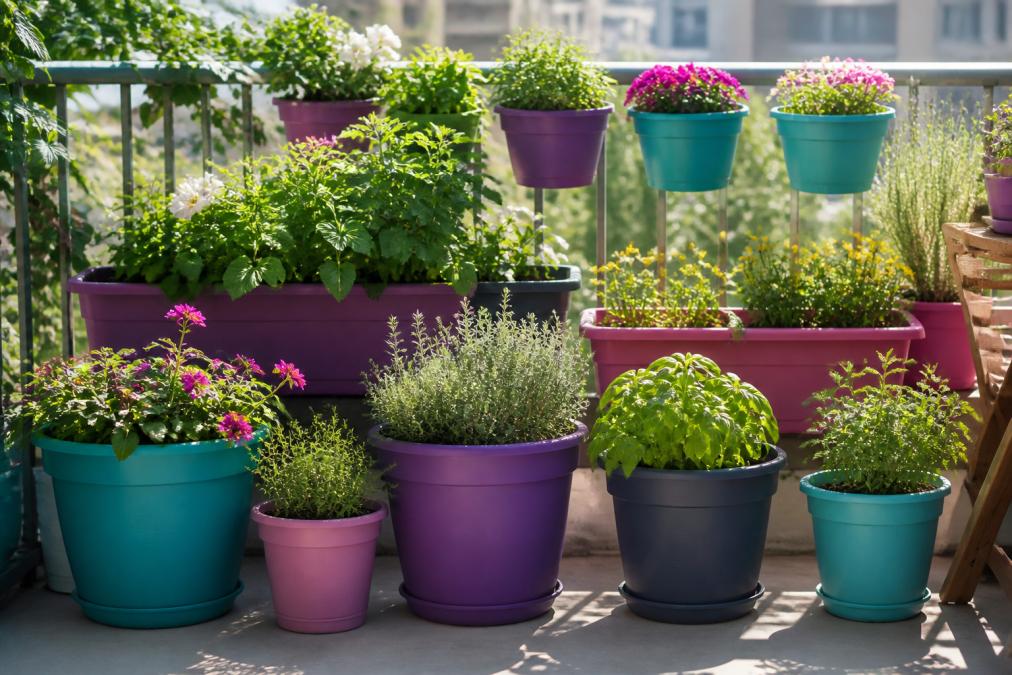
Beloit Plastics LLC planters combine lightweight construction, integrated drainage, and weather resistance, all manufactured in the USA with recycled materials.
| Planter Type | Best For | Key Feature | Starting Price |
|---|---|---|---|
| Lightweight Plastic with Saucer | Small herbs, flowers | Drainage holes + water collection | $9.99-$19.99 |
| Hanging Planters | Vertical space maximization | Integrated hanger, weather-resistant | $9.99-$29.99 |
| Graduated Planter Sets | Mixed plant sizes | 12 pots in one purchase | $38.15 |
| Oval & Round Planters | Larger displays, entryways | Premium durability, matching saucers | $20.75-$39.75 |
Lightweight Balcony Planters for Space-Saving Container Gardening
Lightweight materials are non-negotiable for apartment balconies.

The American Society of Civil Engineers provides structural guidelines for residential balconies, and weight distribution matters more than most homeowners realize. Concentrating heavy planters in one corner creates stress points that can degrade fasteners and railings over time.
Why Lightweight Materials Matter on Balconies
Safety and weight capacity:
Durability under wind exposure: Lighter planters are less likely to topple in gusts above 20 mph and are easier to move if severe weather approaches.
Space efficiency in small footprints: Lightweight plastic options let you layer planters vertically and horizontally without sacrificing structural safety.
How to Secure Balcony Planters for Safety
Unsecured planters on elevated balconies create risks.
Calculating Weight Capacity and Load Limits
Before installing any planter system, determine your balcony's load rating.
1. Total balcony load capacity: Measure your balcony's total square footage and multiply by the load rating per square foot.
2. Concentrated load limits:
3. Soil and water weight:
4. Wind loading on the railing:
Practical calculation example: A 6-by-8-foot balcony at 40 lbs/sq ft can hold 6 pots at 25 lbs each (150 lbs total), well within limits. Space, not weight, is your limiting factor. Older buildings rated at 30 lbs/sq ft have tighter constraints.
Rental-Friendly Mounting Systems and Wind Resistance
Renters face additional constraints. Several securing methods work without damage while addressing the real risk: wind-induced tipping and lateral movement.
Railing clamps (best for moderate wind areas): Stainless-steel C-clamps secure planters without drilling on vertical posts or horizontal rails 1-2 inches in diameter. Secure only lightweight pots (under 8 pounds) in areas with frequent gusts.
Weighted bases and low center of gravity (best for high-wind balconies): A 14-inch pot with integrated saucer remains stable in moderate wind (15-20 mph) when positioned away from the railing edge. Wider pots are more stable but occupy more floor space.
Tiered planter stands (best for maximizing vertical space while staying rental-approved): A 3-tier stand holds 6-9 small pots while occupying only 4 square feet. Ensure the stand's footprint is at least 2 feet × 2 feet to stay within load limits.
Wind-resistant placement strategy: Position planters in the corner where two railings meet or against the building wall to reduce wind exposure. Place wind-sensitive plants in protected corners and sturdy plants at the open edge.
For renters in high-wind areas (coastal regions, exposed urban locations, or buildings over 10 stories), the National Weather Service recommends securing outdoor objects that could become projectiles. Even rental-approved methods should be inspected monthly during storm season. After any wind event above 30 mph, check that clamps are tight, stands are level, and no pots have shifted position.
Best Plants for Container Gardening on Balconies
Plant selection must match your balcony's specific micro-climate, determined by wind funneling, reflected heat, and exposure intensity.
Sample Pack 12-Piece Flower Pot and →
Understanding Your Balcony's Micro-Climate
Balcony micro-climates are determined by three factors: sun exposure direction, wind exposure, and reflected heat from building materials.
Sun exposure by orientation:
South-facing balconies receive 6-8 hours of direct sun with intense afternoon heat. Soil dries rapidly, requiring daily watering.
North-facing balconies receive 2-4 hours of indirect light and stay cool year-round, increasing root rot risk.
Wind exposure and plant stability:
Plant Selection by Micro-Climate
South-facing, high-wind balconies (most challenging): Choose heat-tolerant, wind-resistant plants with small leaves and sturdy stems.
- Herbs: Rosemary, thyme, oregano, sage (Mediterranean herbs thrive in heat and wind)
- Flowers: Zinnias, marigolds, sunflowers, salvia (all are heat-loving and wind-resistant)
- Succulents: Sedums, echeveria, aloe (minimal water loss, no wilting in wind)
- Vegetables: Determinate tomatoes (compact, sturdy), peppers (heat-loving, wind-tolerant)
Pot size: 8-12 inches minimum. Larger pots hold more soil moisture, critical in high-wind, high-heat conditions.
North-facing, sheltered balconies (easiest for beginners): Choose shade-tolerant, moisture-loving plants with larger leaves.
- Herbs: Parsley, chives, mint, cilantro (tolerate partial shade, prefer consistent moisture)
- Flowers: Impatiens, begonias, hostas, ferns (shade-adapted, lush foliage)
- Vegetables: Lettuce, spinach, kale (cool-season crops, tolerate shade)
- Foliage plants: Pothos, philodendron (thrive in low light, very forgiving)
East-facing, moderate-wind balconies (versatile): This orientation accommodates the widest range of plants.
- Herbs: Basil, parsley, chives, oregano, thyme (all perform well with morning sun and afternoon shade)
- Flowers: Petunias, marigolds, pansies, snapdragons (moderate sun, moderate wind tolerance)
- Vegetables: Bush beans, determinate tomatoes, peppers (6-8 hours sun is sufficient)
- Succulents: Most sedums and echeveria (tolerate moderate sun and wind)
West-facing, high-heat balconies: Choose only the most heat-tolerant species, and use extra-large pots to buffer temperature swings.
- Herbs: Rosemary, thyme, lavender, sage (Mediterranean herbs evolved for intense sun)
- Flowers: Zinnias, sunflowers, marigolds, lantana (heat-loving, drought-tolerant)
- Succulents: All types (designed for heat and drought stress)
- Vegetables: Peppers (more heat-tolerant than tomatoes), eggplant
Seasonal Micro-Climate Changes
Micro-climates shift seasonally. A south-facing balcony that's scorching in July may be ideal in April and October. A north-facing balcony that's too shady in winter may receive adequate light in summer when the sun's angle is higher.
Drainage, Weather Resistance, and Durability
Drainage holes are non-negotiable in container gardening. Without them, soil becomes waterlogged and roots rot.
Drainage Holes and Water Management
Drainage holes allow excess water to escape while maintaining a water reservoir in the saucer below. Confirm that drainage holes are multiple, at least 1/4-inch diameter, and positioned on the pot bottom.
Frost Resistance and UV Protection
Temperature swings and UV exposure degrade many planter materials over time. High-impact polypropylene resists both extremes.
Sizing Your Planters to Fit Your Balcony
Planter size directly affects plant health and balcony aesthetics. Herbs need 6-8 inches minimum depth, flowers 8-10 inches, vegetables 10-12 inches. Most apartment balconies work best with a mix of sizes: small 4-6 inch pots for herbs, medium 8-10 inch pots for flowers, and larger 12-14 inch pots for corners. Arrange smaller pots toward the center and larger ones at edges to create visual balance and maximize space.
Frequently Asked Questions
What makes the best planters for apartment balconies?
The best planters for apartment balconies combine lightweight construction, built-in drainage holes, and weather-resistant materials. Look for options made from high-impact polypropylene or recycled plastic that won't crack in freeze-thaw cycles. They should include saucers to protect your flooring and come in sizes that fit your space without exceeding weight limits. USA-made planters offer durability and reliability for long-term use.
How do I choose lightweight balcony planters that won't exceed my weight limit?
Choose planters made from lightweight resin or polypropylene rather than ceramic or terracotta. Calculate total weight including soil and plants. Hanging planters and smaller individual pots distribute weight better than one large container. Space planters across the balcony to spread the load evenly.
What's the best way to secure balcony planters for safety?
For ground-level planters, position them against the building wall or railing. In windy locations, use plant stands with wide bases for stability. Avoid stacking planters unless they're designed to be stackable.
Which plants work best for container gardening on small balconies?
Herbs like basil, parsley, and rosemary thrive in containers and need minimal space. Compact vegetables such as cherry tomatoes and lettuce do well in 5-8 inch pots. Flowers like petunias, marigolds, and impatiens add color without taking up much room. Succulents require little maintenance and water. Choose plants suited to your balcony's light conditions, south-facing balconies get full sun, while north-facing spaces need shade-tolerant varieties.
How do drainage holes and saucers protect my apartment?
Drainage holes in the pot bottom prevent root rot and waterlogging by allowing excess water to escape. Matching saucers catch that water, protecting your balcony floor, railing, and the unit below from water stains and damage. Saucers with ribbed undersides elevate the pot slightly to promote airflow and prevent moisture buildup. This setup is essential in apartments where water damage can affect shared structures and neighboring units.