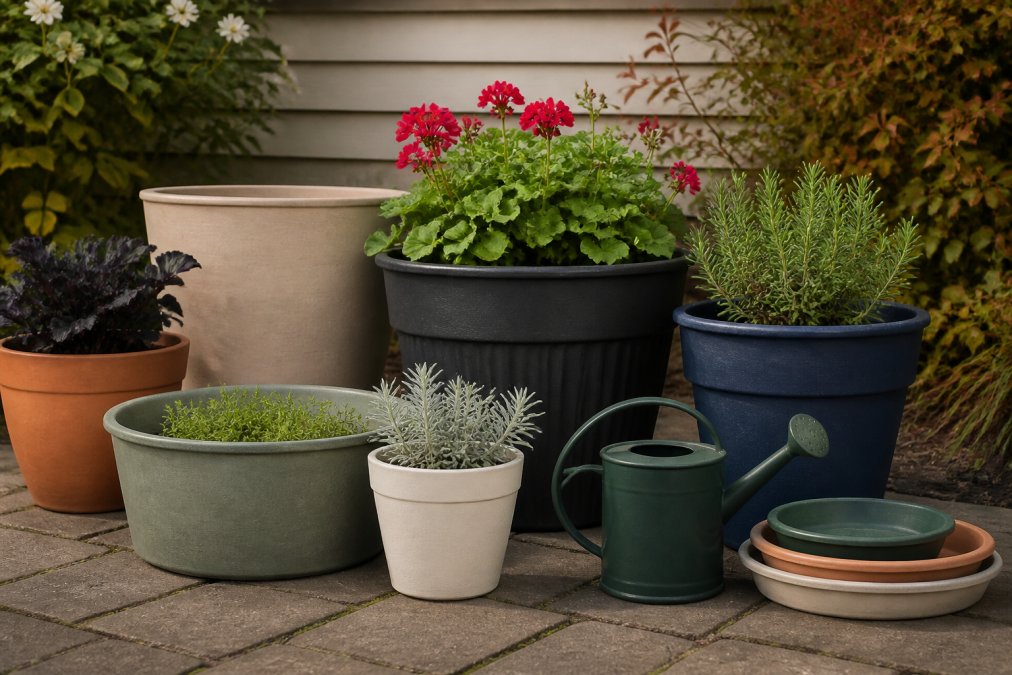
 listicle
Best Garden Planters for 2026: Durable Picks
Table of Contents
- What Makes the Best Garden Planters for 2026
- Weather-Resistant Outdoor Planters: Materials That Endure
- How to Choose Outdoor Planters for Your Space
- Top Planter Styles and Features for 2026
- Maintenance and Longevity: Low-Maintenance Planting Tips
- Why American-Made Planters Deliver Better Value
- Frequently Asked Questions
Last Updated: September 3, 2026
What Makes the Best Garden Planters for 2026
The best garden planters for 2026 combine durability with aesthetic appeal, solving the core problem most gardeners face: containers that crack in winter, fade in UV light, or simply don't survive a single season.
Weather-resistant materials like fiber cement, composite blends, and engineered polymers now dominate the market because they address real failure points: freeze-thaw cycles that shatter ceramic, UV degradation that weakens plastic, and water absorption that leads to structural collapse.
Material choice must match your climate: a planter thriving in the Pacific Northwest will fail in the Northeast's freeze-thaw cycles, while containers perfect for shade become brittle under intense sun.
Quick Picks for Best Garden Planters:
- Best Overall Durability: Fiber cement and composite options with UV protection and frost resistance
- Best for Aesthetics: Hand-crafted ceramic textures that combine visual appeal with weather-resistant construction
- Best for Lightweight Flexibility: Polyester and engineered polymer alternatives that handle scaling and repositioning
- Best for Sustainability: Eco-friendly planters made from recycled materials with minimal environmental footprint
Weather-Resistant Outdoor Planters: Materials That Endure
The material you choose determines whether your planter becomes a garden staple or a cautionary tale. Modern weather-resistant outdoor planters fall into three distinct categories, each with specific performance characteristics and use cases.
Fiber Cement and Composite Options
Fiber cement dominates the durability category because it combines aesthetic appeal with engineered resilience. Made from Portland cement reinforced with cellulose fibers, it creates a dense, non-porous structure that resists water absorption, the primary cause of cracking in freeze-thaw cycles (peer-reviewed research).
Fiber cement planters maintain structural integrity through freeze-thaw cycles, resist UV degradation, and develop a pleasing patina over time. A 24-inch planter weighs 40-60 pounds, creating stability for tall plantings but requiring thoughtful placement.
The trade-off is cost and weight: repositioning requires two people. For permanent placements where durability matters, fiber cement delivers unmatched longevity, often lasting 15-20 years with minimal maintenance.
Composite materials blend fiber cement with polymers to reduce weight 30-40% while maintaining freeze-thaw resistance (astm.org). Lifespan is typically 10-15 years, making them ideal for apartment dwellers and seasonal rotations.
Ceramic and Hand-Crafted Textures
Modern ceramic planters include frost-resistant varieties engineered to survive cold climates, a significant advancement from traditional ceramics that shatter at the first hard freeze.
Frost-resistant ceramics use specialized firing and glaze formulations that reduce porosity, preventing water absorption that causes freeze-thaw cracking.
Hand-crafted ceramic textures add visual sophistication, functioning as garden sculpture in curated outdoor spaces where aesthetic harmony matters as much as plant health.
Ceramic requires verification of frost-resistance certification before purchase; always confirm freeze-thaw testing results before selecting for cold climates.
Polyester and Lightweight Alternatives
Modern polyester and engineered polymer planters use UV-stabilized resins and structural ribbing that maintains shape rather than sagging under weight.
These materials excel in vertical gardening: a 36-inch polyester planter weighs 8-12 pounds compared to 80+ pounds for fiber cement, enabling balcony gardens and wall-mounted installations.
Quality polyester planters last 8-12 years; UV stabilization is critical as uninhibited polyester becomes brittle within 3-4 years. Always verify UV protection specifications.
Polyester offers cost efficiency and ease of handling for renters and apartment dwellers who rearrange seasonally.
How to Choose Outdoor Planters for Your Space
Selecting the right container requires matching material properties to your specific conditions. Three decision points determine which planter will perform best in your garden.
Size and Scale Considerations
Container size directly affects plant health and water retention. Undersized planters dry out rapidly; oversized containers risk root rot in humid climates.
The container should be 1-2 inches larger in diameter than the root ball. Herbs need 6-8 inch containers; perennials and shrubs need 12-18 inch containers.
Clustered plantings of varying heights create visual interest; odd-numbered groupings feel more intentional. Tall plants in shallow containers become top-heavy.
A 24-inch fiber cement planter filled with soil weighs 80-100 pounds; use lightweight polyester or composite materials if you need to move it seasonally.
Indoor vs. Outdoor Planter Selection
Indoor planters prioritize aesthetics; outdoor planters must survive weather exposure.
Indoor planters can use delicate ceramics, untreated wood, and decorative finishes because they're protected from temperature extremes and precipitation.
Outdoor planters need UV stabilization, freeze-thaw resistance, and proper drainage. Indoor ceramic planters moved outside will likely crack by winter in cold regions.
Use dedicated outdoor planters for exterior spaces; indoor planters rarely survive outdoor deployment.
For balconies and patios that receive intense afternoon sun, UV protection becomes critical. Polyester and composite materials with UV stabilization outperform ceramics that fade and crack under sustained heat exposure. In shaded areas, this concern diminishes, and aesthetic choices become primary.
Design and Aesthetic Harmony
Visual cohesion elevates outdoor spaces from functional to intentional.
Neutral tones work across diverse settings; jewel tones add sophistication but require careful placement.
Material texture influences aesthetics: smooth ceramic feels refined, rough fiber cement feels rustic. Intentional texture mixing creates visual interest.
Height variation creates dynamic compositions. Tall structural elements like obelisks and trellises add vertical dimension that makes small spaces feel larger.
Native plants that support pollinators add ecological value while creating seasonal interest.
Top Planter Styles and Features for 2026
Modern planter design reflects three dominant trends: sustainability, vertical integration, and smart technology. Understanding these categories helps identify which styles align with your gardening approach.
Sustainable and Eco-Friendly Planters
Sustainability has moved from niche concern to mainstream expectation, with planters increasingly incorporating recycled materials and minimal manufacturing impact.
Recycled plastic planters use post-consumer recycled content while maintaining UV stabilization. Recycled fiber composites blend recycled plastic with agricultural waste.
Biodegradable options warrant caution: containers marketed as "compostable" often require industrial facilities unavailable in most regions.
Fiber cement and ceramic have longer lifespans, reducing replacement frequency. Recycled polyester offers lower initial environmental impact.
Locally manufactured planters reduce transportation emissions and support regional economies.
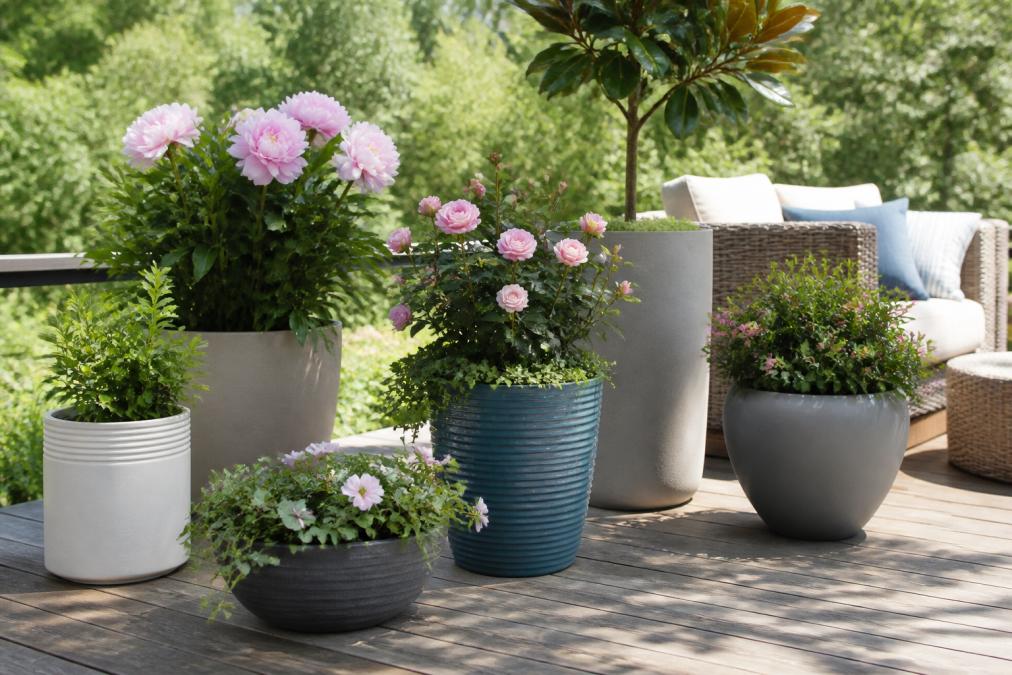
Vertical Gardening and Structural Elements
Vertical gardening transforms space efficiency from practical necessity to design opportunity. Structural elements, obelisks, pergolas, tiered systems, create three-dimensional plantings that maximize visual impact in compact spaces.
Vertical planter systems stack containers or integrate climbing supports. Reaching plants at eye level reduces strain on knees and back.
Obelisks and trellises integrated into planters provide climbing support and create focal points, working particularly well in balcony gardens.
Tall structures become top-heavy when planted. Polyester and composite materials work well for vertical systems because their lighter weight allows taller structures.
Spacing is critical in vertical arrangements; overcrowded plantings prevent air circulation and increase disease risk.
Smart Irrigation Integration
Smart irrigation systems with soil moisture sensors eliminate guesswork from plant care.
These systems monitor soil moisture and trigger watering only when needed, reducing water waste while preventing underwatering and overwatering.
Smartphone app integration allows remote monitoring and alerts about plant stress.
Smart irrigation systems range from simple soil probes ($30-50) to comprehensive systems ($200-500). For serious gardeners, the investment pays dividends in water savings.
Verify that smart systems work with your planter's drainage setup before purchasing.
Maintenance and Longevity: Low-Maintenance Planting Tips
Understanding maintenance fundamentals extends planter lifespan and prevents common failures.
Drainage Systems and Water Conservation
Proper drainage is the single most important factor determining planter longevity. Standing water accelerates material degradation, particularly in freeze-thaw cycles.
Drainage holes should be at least 0.5 inches in diameter. Multiple holes distributed across the base work better than a single central hole.
Mulching the soil surface slows evaporation, reducing watering frequency by 30-40% (extension.oregonstate.edu). Grouping planters creates microclimates that reduce water needs.
Well-draining potting soil works for most containers. In arid climates, add compost; in humid regions, add perlite or coarse sand.
Frost Resistance and Climate-Specific Care
Freeze-thaw cycles represent the primary threat to planter longevity in cold climates. Water absorbed into porous materials expands when frozen, cracking the container.
Frost-resistant materials like fiber cement and engineered ceramics survive freeze-thaw cycles because their non-porous structure prevents water absorption.
In cold regions, move lightweight containers to sheltered locations during winter and avoid watering in late fall to prevent water absorption.
In hot, arid climates, UV-stabilized materials resist degradation. Lighter-colored containers reflect heat and reduce evaporation stress.
Match material selection and care practices to your specific climate: Northeast gardeners need frost resistance, Southwest gardeners need UV protection, Pacific Northwest gardeners need drainage.
UV Protection and Seasonal Storage
UV stabilization is essential for outdoor containers, particularly in sunny locations, to prevent color fading and brittleness.
Quality polyester and composite planters include UV stabilizers throughout the material. Ceramic glazes and fiber cement's density naturally resist UV degradation.
Seasonal storage extends lightweight container lifespan by 30-50%, protecting them from sustained UV exposure and freeze-thaw stress.
Gentle washing with water and mild soap maintains aesthetics without damaging finishes.
Why American-Made Planters Deliver Better Value
Manufacturing location influences quality, durability, and overall value.
Domestic manufacturing enables rigorous quality control, testing materials for UV stability, freeze-thaw resistance, and structural integrity before containers reach customers.
Domestic manufacturing ensures worker safety and fair wages, translating to more careful attention and containers engineered for longevity.
Domestic manufacturers respond quickly to quality issues and replacements; international supply chains introduce delays measured in months.
Domestic sourcing reduces shipping costs and environmental impact.
Direct manufacturer pricing eliminates middlemen markups, providing superior value for durable, weather-resistant planters.
Selecting the best garden planters for 2026 means matching material durability to your climate, choosing designs that enhance your outdoor space, and prioritizing quality that lasts. Weather-resistant materials like fiber cement and UV-stabilized polyester solve the core problem: containers that fail prematurely.
Frequently Asked Questions
What materials are best for weather-resistant garden planters?
Fiber cement, composite materials, and high-quality polyester offer excellent weather resistance. Fiber cement withstands freeze-thaw cycles common in northern climates, while polyester is lightweight and UV-resistant. Ceramic and terracotta work well in milder regions but require winter protection in areas with harsh freezes. Choose based on your climate: frost-prone zones benefit from fiber cement or composite, while moderate climates can accommodate ceramic or terracotta.
How do I choose the right size planter for my garden space?
Measure your available space first, then select a planter that fills roughly one-third to one-half of that area for visual balance. For herbs and small flowers, 8-12 inch diameter pots work well; vegetables and larger plants need 14-20 inches. Consider height too: taller obelisk planters suit narrow balconies, while wider, shallower containers work for patios. Ensure drainage holes are present regardless of size to prevent root rot.
Are plastic planters better than ceramic for outdoor use?
Each has advantages. High-quality polyester and composite plastic planters are lightweight, durable, and resistant to cracking in freeze-thaw cycles, making them ideal for harsh climates. Ceramic offers superior aesthetics and a classic look but is heavier and more fragile in cold weather. For freeze-prone regions, plastic or fiber cement outperforms ceramic. For mild climates and visual appeal, ceramic wins. Consider your climate and maintenance tolerance when deciding.
What are the latest trends in garden planters for 2026?
2026 trends emphasize sustainable materials, jewel-tone finishes, and dual-purpose designs that combine beauty with function. Hand-crafted textures and blush blooms are popular, alongside structural elements like obelisks and pergolas for vertical gardening. Smart irrigation integration is emerging for water conservation. Native plant compatibility and pollinator-friendly designs reflect growing environmental awareness. Vintage wooden boxes and cachepots also see renewed interest for creating cohesive outdoor living spaces.
How do I know if a planter will actually survive harsh winter conditions?
Look for materials rated for freeze-thaw cycles in your USDA hardiness zone. Fiber cement and quality composite planters handle northern winters better than ceramic or terracotta. Check product specifications for frost-resistance claims and UV protection ratings. Read customer reviews from your climate zone, and ask manufacturers about their warranty coverage for weather-related damage.
This article was written using GrandRanker
Frequently Asked Questions
What materials are best for weather-resistant garden planters?
Fiber cement, composite materials, and high-quality polyester offer excellent weather resistance. Fiber cement withstands freeze-thaw cycles common in northern climates, while polyester is lightweight and UV-resistant. Ceramic and terracotta work well in milder regions but require winter protection in areas with harsh freezes. Choose based on your climate: frost-prone zones benefit from fiber cement or composite, while moderate climates can accommodate ceramic or terracotta.
How do I choose the right size planter for my garden space?
Measure your available space first, then select a planter that fills roughly one-third to one-half of that area for visual balance. For herbs and small flowers, 8-12 inch diameter pots work well; vegetables and larger plants need 14-20 inches. Consider height too: taller obelisk planters suit narrow balconies, while wider, shallower containers work for patios. Ensure drainage holes are present regardless of size to prevent root rot.
Are plastic planters better than ceramic for outdoor use?
Each has advantages. High-quality polyester and composite plastic planters are lightweight, durable, and resistant to cracking in freeze-thaw cycles, making them ideal for harsh climates. Ceramic offers superior aesthetics and a classic look but is heavier and more fragile in cold weather. For freeze-prone regions, plastic or fiber cement outperforms ceramic. For mild climates and visual appeal, ceramic wins. Consider your climate and maintenance tolerance when deciding.
What are the latest trends in garden planters for 2026?
2026 trends emphasize sustainable materials, jewel-tone finishes, and dual-purpose designs that combine beauty with function. Hand-crafted textures and blush blooms are popular, alongside structural elements like obelisks and pergolas for vertical gardening. Smart irrigation integration is emerging for water conservation. Native plant compatibility and pollinator-friendly designs reflect growing environmental awareness. Vintage wooden boxes and cachepots also see renewed interest for creating cohesive outdoor living spaces.
How do I know if a planter will actually survive harsh winter conditions?
Look for materials rated for freeze-thaw cycles in your USDA hardiness zone. Fiber cement and quality composite planters handle northern winters better than ceramic or terracotta. Check product specifications for frost-resistance claims and UV protection ratings. Read customer reviews from your climate zone, and ask manufacturers about their warranty coverage for weather-related damage.