 listicle
American Made Plastic Garden Planters: A 2026 Buying Guide
Table of Contents
- Why Choose American Made Plastic Garden Planters?
- Benefits of Durable Plastic Garden Containers for Outdoor Use
- Quick Comparison: Top Austin Planters from Beloit Plastics
- How to Choose the Right Size Planter for Outdoor Plants
- Where to Buy American Made Plant Saucers and Accessories
- Design Styles and Colors for Every Patio Aesthetic
- Environmental Impact and Chemical Safety of Polypropylene Planters
- Conclusion: Bring Home Planters Built to Last
- Frequently Asked Questions
Last Updated: September 7, 2026
Most gardeners have a graveyard of cracked, faded plastic pots that gave up after a single brutal winter. American made plastic garden planters solve that problem through material and manufacturing standards. In this Beloit Plastics LLC buying guide, we break down what separates a planter that survives freeze-thaw cycles from one that shatters.
The core difference comes down to the resin. Cheaper imports often use recycled plastics with inconsistent quality, which leads to brittleness and UV degradation. High-impact polypropylene, the material used in American-made planters, offers a unique combination of lightweight handling and structural integrity that resists cracking even in sub-zero temperatures.
Below, we'll show you how to evaluate plastic garden planters for durability, safety, and longevity, covering sizing, drainage, and environmental trade-offs.
Why Choose American Made Plastic Garden Planters?
Choosing American-made plastic garden planters means getting a product built to higher quality control and material consistency, using virgin or heavily regulated recycled resins that meet U.S. manufacturing standards.
The "Made in USA" label also implies a shorter supply chain, reducing carbon footprint and supporting domestic jobs. The practical benefit is accountability: you deal with a manufacturer that stands behind its product. Durability means you buy once, not every other season.
Benefits of Durable Plastic Garden Containers for Outdoor Use
Durable plastic garden containers beat terracotta or ceramic because they are frost-resistant and impact-resistant. A heavy freeze cracks porous clay; a high-quality polypropylene pot flexes and returns to shape.
Durable plastic garden containers are also lighter than clay or concrete, making rearrangement easy. The material is BPA-free and non-toxic, and the color is molded throughout the resin, so the finish is fade-resistant and won't peel or chip.
Quick Comparison: Top Austin Planters from Beloit Plastics
We have curated a selection of American made plastic garden planters from Beloit Plastics LLC that cover the spectrum from seed starting to patio statement pieces. Each option uses high-impact polypropylene, offering a specific balance of size and function.
| Product | Size | Price | Best For |
|---|---|---|---|
| Austin Planter 4" Pots with Saucers | 4 inch | $16.45 | Seedlings, herbs, succulents |
| Austin Planter 7" Hanging Pots | 7 inch | $29.95 | Balcony railings, small spaces |
| Austin Planter 9" Hanging Pots | 9 inch | $34.25 | Trailing flowers, larger herbs |
| Austin Planter 11" Hanging Pots | 11 inch | $29.99 | Statement hanging baskets |
| Austin Planter 18" Saucer Case | 18 inch | $34.99 | Large pot protection, floor safety |
The Austin Planter 4 inch Flower Pots with Saucers is our top pick for versatility. At $16.45 for a 5-pack, these thick, sturdy pots are made from 95% recycled polypropylene and include drainage holes to prevent root rot. The included saucers function as drip trays to catch excess water, protecting your windowsills and patio furniture.

For vertical gardening, the Austin Planter 9 inch Hanging Flower Pots offer bright terra cotta colors that won't fade in the sun. These are perfect for trailing vines or ferns, and they come with several drainage holes pre-molded, so there is no drilling required.
How to Choose the Right Size Planter for Outdoor Plants
Selecting the correct planter size balances the plant's root mass, growth potential, and the pot's physical properties. A pot too large can be as detrimental as one too small, leading to waterlogged soil and root rot.
The 2-to-3-Inch Rule and Its Limits
The common guideline is to choose a pot 2 to 3 inches larger in diameter than the root ball, providing fresh soil without waterlogging. This suits slow growers like succulents; fast-growing annuals like tomatoes may need a 4-to-6-inch jump to avoid double transplanting.
The rule is based on the root ball, not the nursery pot top. A root-bound plant in a 4-inch pot may need a 6-inch or 8-inch pot, provided drainage is excellent.
Depth vs. Diameter: Matching Pot Geometry to Root Structure
The shape of the pot matters as much as its volume. Here is a practical breakdown:
- Taproot Plants (Carrots, Parsnips, Dill): These require deep, narrow pots. A standard 4-inch diameter pot that is 6 inches deep is better than a wide, shallow bowl of the same volume. Look for 'deep pot' or 'tree pot' designs that allow the root to grow straight down without curling.
- Fibrous Root Systems (Tomatoes, Peppers, Most Annuals): These plants benefit from a wider pot that allows lateral root spread. A 5-gallon bucket-style planter is a common minimum for a single tomato plant, but a wider, shallower container (like a window box) can work for shallow-rooted herbs.
- Succulents and Herbs (Shallow Roots): These thrive in pots that are wider than they are deep. A 4-inch deep bowl is sufficient for most succulents, as their roots are shallow and they prefer soil that dries out quickly. Over-potting a succulent in a deep container is a common cause of root rot.
The Role of Plastic in Drainage and Soil Temperature
American-made polypropylene planters are lightweight and easy to move, allowing seasonal size adjustments. Plastic does not wick moisture like terracotta, so soil stays moist longer, beneficial for moisture-loving plants but requiring vigilance for dry-soil varieties.
A Practical Sizing Chart for Common Garden Plants
To simplify the decision, here is a general guide based on common container gardening practices:

| Plant Type | Minimum Pot Diameter | Minimum Pot Depth | Notes |
|---|---|---|---|
| Herbs (Basil, Cilantro) | 6 inches | 6 inches | Can be crowded; harvest frequently. |
| Leafy Greens (Lettuce, Spinach) | 8 inches | 6 inches | Shallow roots; wide containers work well. |
| Peppers | 10 inches | 10 inches | Needs stable moisture; avoid wide temperature swings. |
| Tomatoes (Determinate) | 14 inches | 12 inches | A 5-gallon pot is the practical minimum. |
| Cucumbers | 16 inches | 12 inches | Needs trellising; large soil volume supports growth. |
These are starting points. Pot up one size if roots emerge from drainage holes or the plant wilts quickly after watering.
Where to Buy American Made Plant Saucers and Accessories
When buying american made plant saucers, look for heavy-duty polypropylene with a ribbed underside. The ribbing raises the saucer off the ground, allowing air circulation and preventing trapped moisture that causes mildew and staining.
Beloit Plastics offers a range of saucers from 3 inches up to 21 inches, ensuring you can find the correct size for any pot. The [Austin Planter(/products/austin-planter-9-inch-hanging-flower-pots-terra-cotta-colored-polypropylene-5-pack-made-in-usa) 18 Inch Case of 2 Plant Saucers | beloitplastics.com] at $34.99 is a heavy-duty option designed for large floor planters. These saucers feature a support grid that allows airflow and prevents the floor contact area from trapping moisture.
The color is molded throughout the polypropylene, so these saucers are color-retaining and weather-resistant. They are also dishwasher safe, making cleanup simple after a season of heavy rain or spilled soil.
Design Styles and Colors for Every Patio Aesthetic
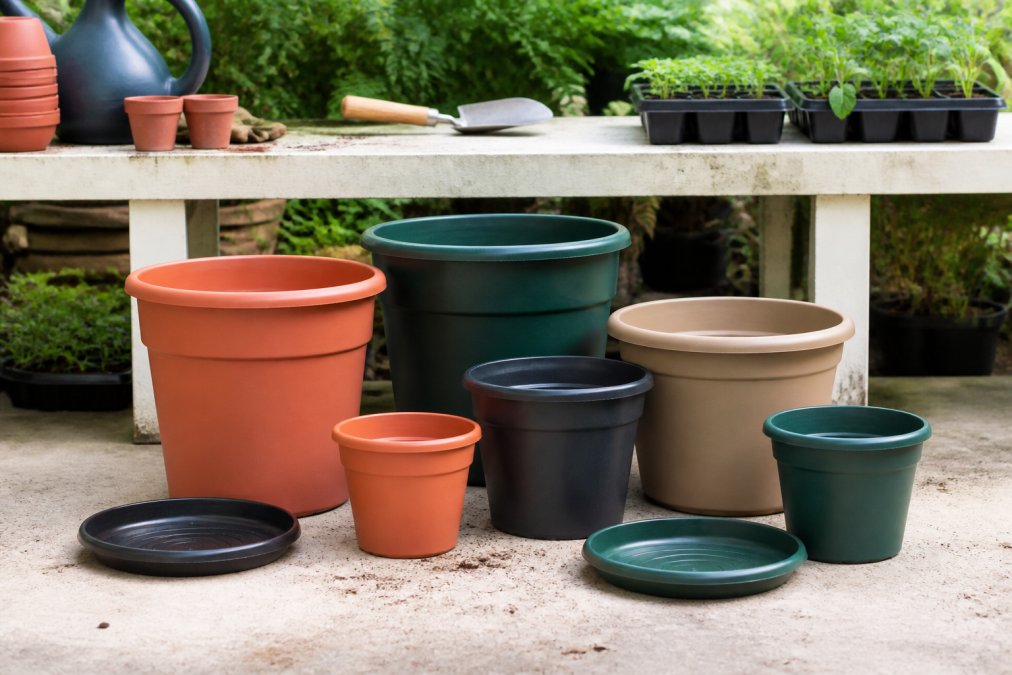
Plastic planters have evolved beyond flimsy nursery pots. Today's American made plastic garden planters mimic ceramic and terra cotta aesthetics without the weight or fragility.
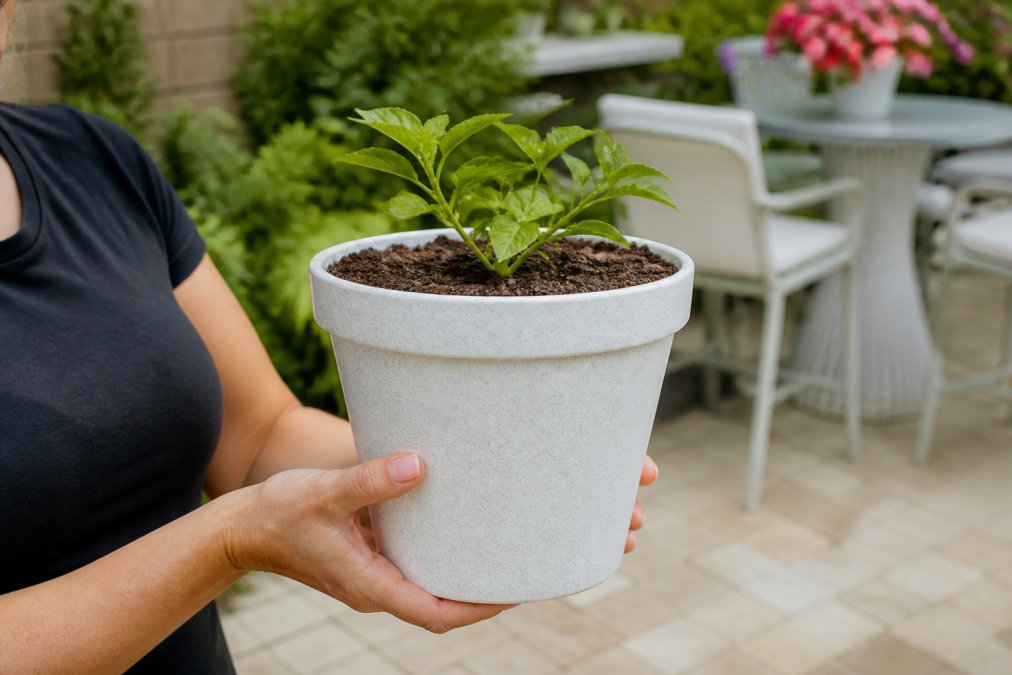
The Austin Planter line features colors molded throughout the resin, so they won't chip to reveal an underlayer. White Granite suits minimalist decor, Terra Cotta offers a rustic feel, and Hunter Green and Lime Green add vibrant pops of color.
The 2-inch Wavy planters with saucers are a unique option for desk plants or a kitchen windowsill herb garden, adding a decorative, textured element that stands out from standard round pots. The visual weight of these planters, combined with their fade-resistant properties, ensures your patio decor looks intentional and fresh through several seasons.
Environmental Impact and Chemical Safety of Polypropylene Planters
The sustainability of an American-made plastic planter is more complex than a 'recyclable' label. You need to understand the full lifecycle and chemical safety standards for growing food.
The Lifecycle Advantage of Domestic Manufacturing
A plastic product's carbon footprint is dominated by manufacturing energy and shipping distance. U.S. facilities operate under stricter emissions controls than many overseas suppliers.
A container ship travels thousands of miles burning heavy fuel oil; a domestic product travels a fraction of that distance via truck or rail. The reduction in transportation emissions is a concrete benefit of buying domestic.
Understanding Resin Grades and Recycled Content
'Recycled plastic' is not a single standard. Post-industrial recycled plastic is clean and predictable scrap from manufacturing; post-consumer recycled (PCR) plastic comes from items like milk jugs, and its quality varies with sorting and cleaning.
High-quality manufacturers use carefully sorted recycled polypropylene (PP) to maintain consistent melt flow and impact strength, preventing weak spots that fail under freeze-thaw stress. A '95% recycled polypropylene' claim means the resin is reprocessed and tested to meet performance criteria.
Chemical Safety: Beyond BPA-Free
For edible gardening, chemical safety is paramount. Polypropylene (resin code #5) does not contain BPA, but 'BPA-free' is just the starting point, also look for planters free from phthalates.
The gold standard is a 'food-grade' designation. A food-grade planter uses resins meeting FDA regulations for repeated use, meaning colorants and additives are approved for food contact.
The End-of-Life Reality
Polypropylene is highly recyclable. After a decade or more of use, the planter can be cleaned and placed in curbside recycling if your facility accepts #5 plastics, keeping material out of landfills.
A planter lasting 10 years is more sustainable than a cheap import cracking after one season. Durability reduces replacement frequency and associated manufacturing and shipping impacts.
Conclusion: Bring Home Planters Built to Last
The search for plastic garden planters that withstand the elements often ends in disappointment. American made plastic garden planters from Beloit Plastics LLC close that gap with high-impact polypropylene durability and domestic manufacturing peace of mind.
Whether you need a simple 4-inch pot for your windowsill or a large saucer to protect your deck, the Austin Planter line delivers dependable performance throughout every season. With direct manufacturer pricing, free shipping, and a 30-day return policy, there is no reason to gamble on brittle plastic again. Get started with Beloit Plastics and bring home planters built to last.
Frequently Asked Questions
What are the downsides to plastic pots?
Cheap plastic pots can become brittle and crack after a few freeze-thaw cycles, and their colors often fade quickly in direct sun. Lower-quality plastics may also contain fillers that break down faster. American made plastic garden planters made from high-impact polypropylene avoid these issues. The material stays flexible in cold weather, resists UV damage, and holds its color for several seasons. Always check the material type and look for recycled polypropylene content to ensure you are getting a planter that will last.
Are plastic garden planters safe for growing vegetables?
Yes, when they are made from food-safe plastics like polypropylene. High-quality polypropylene is non-toxic and BPA-free. This makes it a safe choice for growing herbs, peppers, tomatoes, and other edible plants. Many American made plastic garden planters are manufactured using 95% recycled polypropylene, which is still food-safe. Always confirm the product is made from virgin or recycled polypropylene and avoid planters made from unknown or mixed recycled plastics.
Where can I buy American made plant saucers to match my planters?
Beloit Plastics LLC manufactures a full range of American made plant saucers in sizes from 3 inches up to 21 inches. You can buy them directly from their website, beloitplastics.com, where you will find matching colors like white granite, terra cotta, hunter green, and sea blue. Buying directly from the manufacturer ensures you get the exact size and color to pair with your Austin planters. Their saucers are made from the same durable, 95% recycled polypropylene, so they will withstand the same weather conditions as your pots.
How do I identify high-quality plastic planters for outdoor use?
Look for planters made from high-impact polypropylene rather than thin, brittle plastics. Quality planters will feel thick and sturdy, and the color should be molded through the resin, not just painted on the surface. Check for drainage holes, a smooth finish, and a slight flexibility that prevents cracking in freezing temperatures. American made plastic garden planters from brands like Beloit Plastics offer structural integrity. Also verify they are labeled UV-resistant or fade-resistant to ensure they will hold up in direct sunlight for multiple seasons.
Do plants grow better in plastic or ceramic pots?
For most outdoor situations, plastic pots are the better choice. Plastic is lightweight, which makes moving large plants easy, and it does not absorb moisture from the soil like unglazed ceramic does. Ceramic pots are heavy and can crack in freezing temperatures, while high-quality polypropylene planters are frost-resistant and impact-resistant. Plastic also provides thermal insulation, protecting roots from extreme temperature swings. The key is choosing a durable plastic planter with proper drainage holes, which promotes healthy root growth and prevents waterlogging.